TRAILER COMING SOON
FILM SYNOPSIS
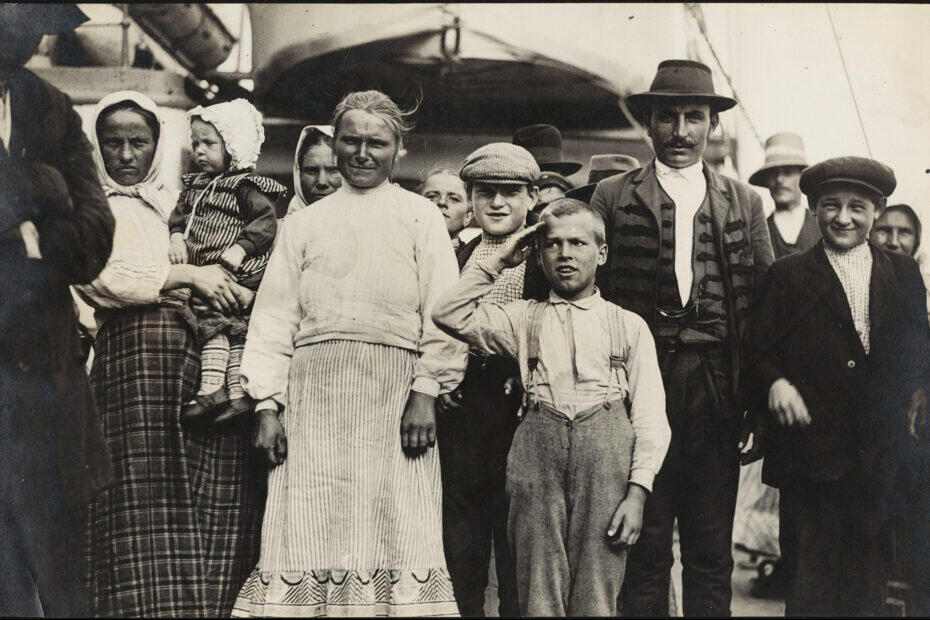
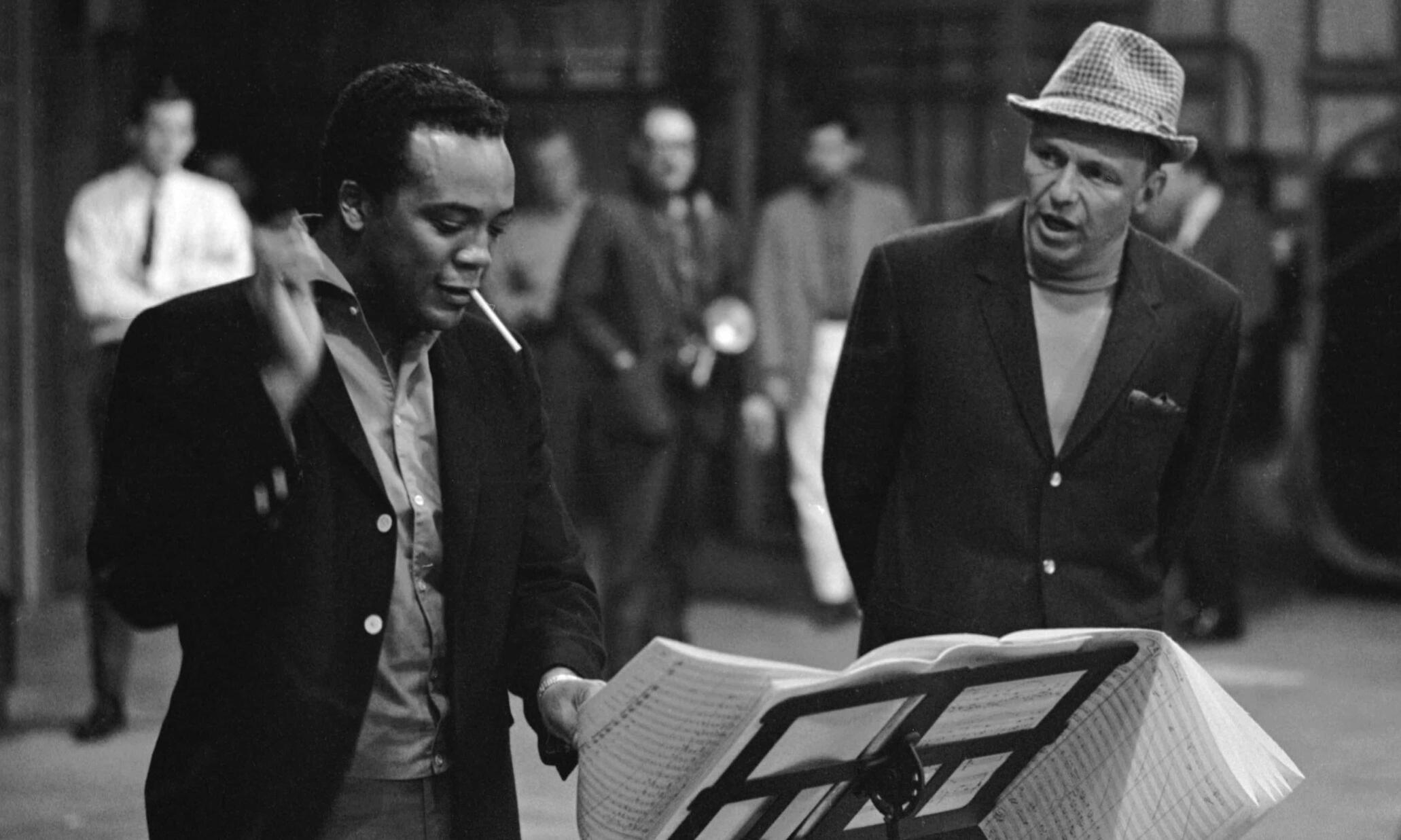
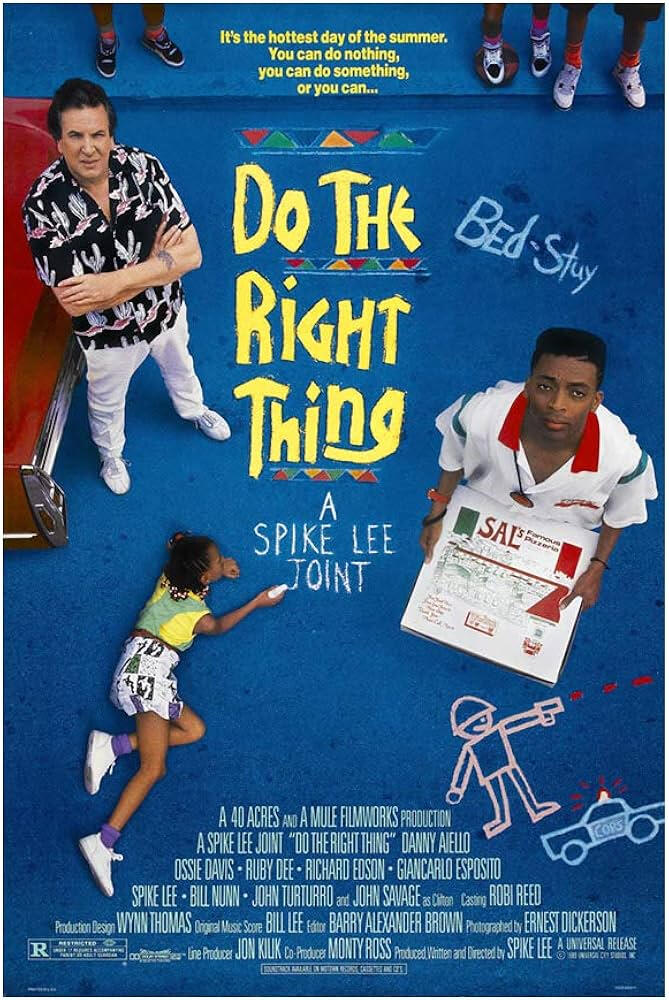
When Italians first began to arrive in the U.S. in the late nineteenth century, they were not seen as fully white. First and second-generation Italian Americans often lived in the same poor and working-class neighborhoods as Black Americans, where they were seen as racially ambiguous and faced persistent prejudice and even racial violence. The documentary then starts with a question: When and how did Italian Americans become white? To become white, many Italians insisted on their difference from African Americans, even while continuing to develop cultural intimacies with them. What unfolds is a complicated story of admiration and antagonization between Black and Italian communities, of sharing and contesting the spaces they occupy in nations, cities and neighborhoods, and the music, food, and film that defines their cultures and identities. Against a complicated social history of entanglement, collaboration, and conflict, Italian Americans and African Americans have engaged in a lively dance of mutual regard and emulation that has left a strong imprint on U.S. popular culture. Think of Louis Armstrong and Louis Prima as pioneers of New Orleans swinging “hot” jazz; Frank Sinatra crooning over the limousine swing of the Count Basie band; Dion and the Belmonts and Frankie Lymon and the Teenagers prompting the question who put the wop in doo-wop?; Jay Z’s Sinatra paean “Empire State of Mind”; Massive Genius, the Black hip-hop entrepreneur in The Sopranos; Spike Lee’s Do the Right Thing and Jungle Fever, and earlier films like the Blaxploitation classic Black Caesar, all focused on contact points – some loving, some violent – between Blacks and Italians.
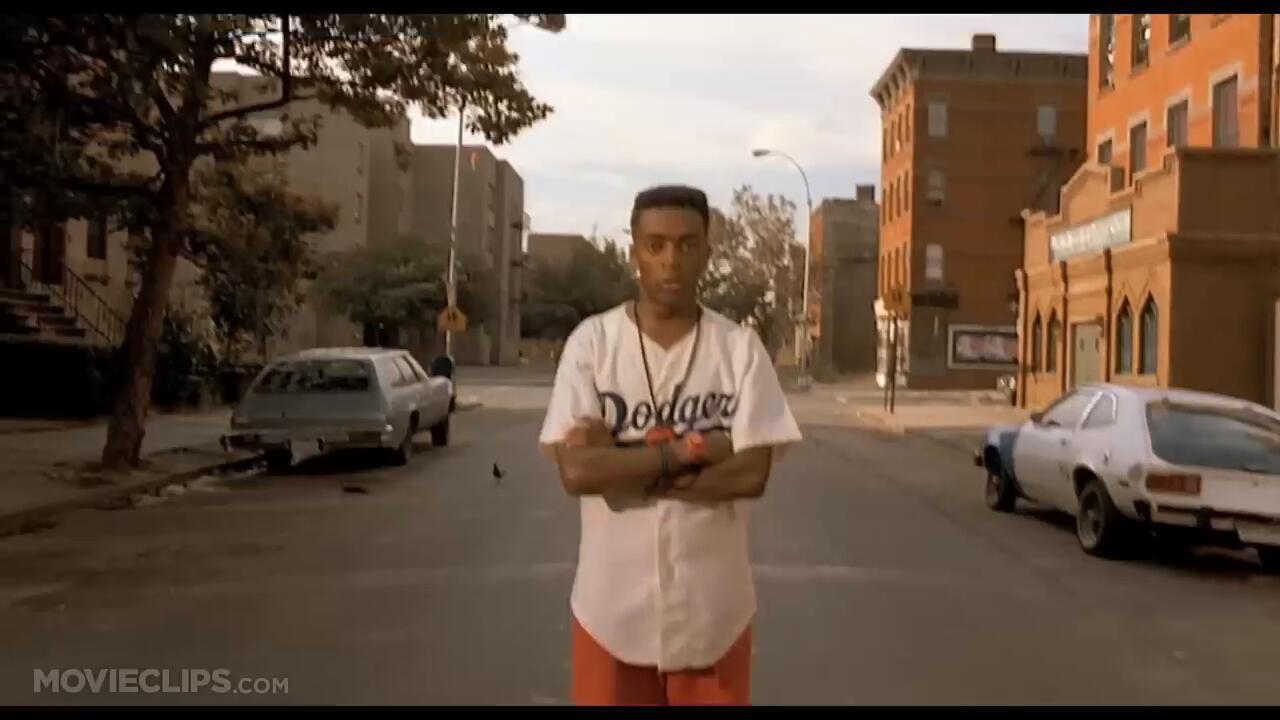
The story begins in New York where the edges and overlaps between the city’s Black and Italian communities have been spaces of both tribal territoriality and cultural intimacy, as well as iconically immortalized in films like Do The Right Thing, Jungle Fever, and A Bronx Tale. As Spike Lee has commented, “I was always amazed by the similarities between African-Americans and Italian-Americans, and that’s why we’ve come to blows so much – because we are so much alike.” In Cobble Hill, Brooklyn, a predominantly Italian enclave full of Italian-owned bakeries, meat markets, and barbershops, Spike Lee will guide us through the streets he lived in as a child in the 1960s. In the multi-ethnic neighborhood of Hollis, Queens, Italian American actor John Turturro takes us into his childhood home – now occupied by a Black West Indian family – and reflects on real-life experiences of Black-Italian conflict and commonality that have informed his work in Lee’s films. Black-Italian writer Kym Ragusa leads us from East to West Harlem where she moved back and forth between the homes of her two grandmothers—one African American, one Italian American. We take a journey to Belmont in the Bronx with *NY Times+ best- selling author and Black New Jerseyan Morgan Jerkins, who elucidates the importance of Italian food, music, and mafia films for Black audiences. Anchored by the Italian bakeries and restaurants of Arthur Avenue, this “Little Italy” was home to doo-wop acts such as Dion (DiMucci) and the Belmonts in the late 1950s and is the location of Chazz Palminteri and Robert DeNiro’s A Bronx Tale.
-

-
Stepping deeper into the historical relationships between Black and Italian Americans, we move next to
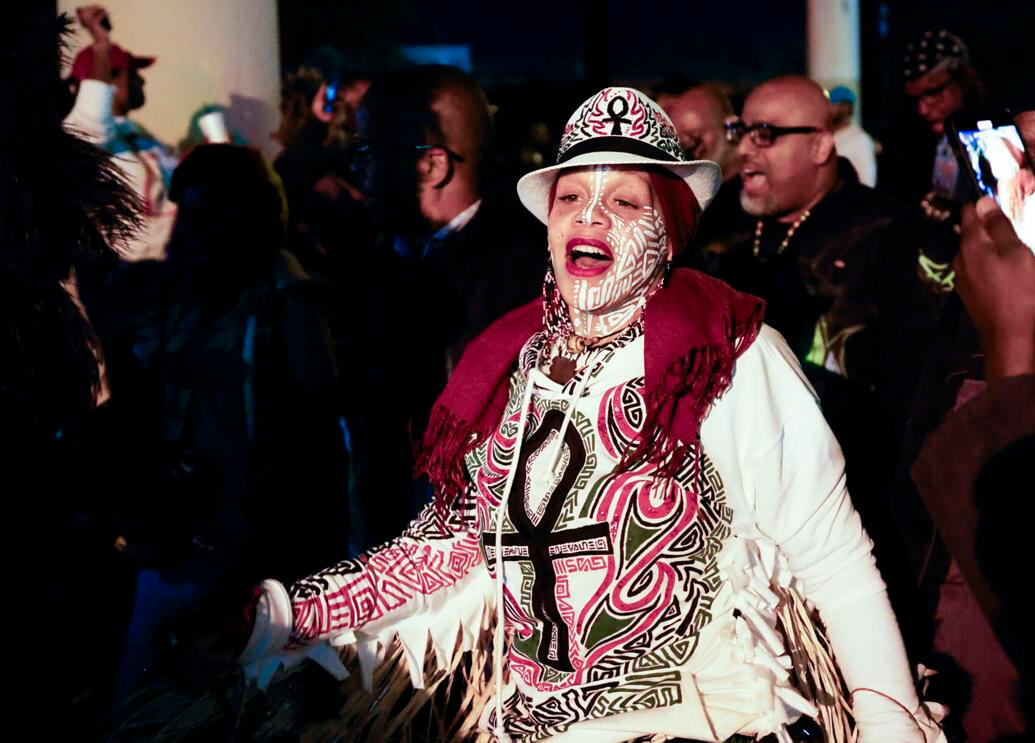
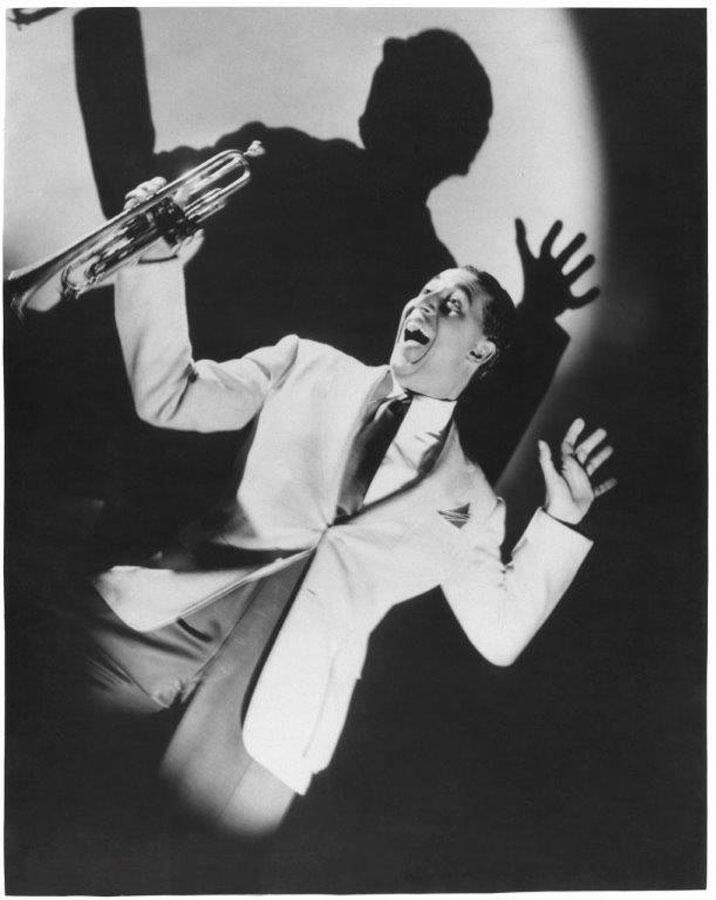
New Orleans, where residential proximity as well as these intertwined histories of ethnic and racial discrimination facilitated Black-Italian tensions as well as cultural intimacies. After the Civil War, thousands of Sicilians immigrants replaced emancipated African Americans on plantations in the Gulf Coast South (and in 1891, eleven Italians were lynched in New Orleans – the largest mass lynching in American history.) We start with a sonic and gastronomic tour of “Little Palermo” in New Orleans’s French Quarter, a once vibrant neighborhood known for its Italian markets, restaurants, and street vendors. Singer and bandleader Lena Prima will guide us through the streets of Tremé’s historic Black and Italian districts where she grew up with her father Louis Prima–an Italian American hot jazz legend and New Orleans native. Professor Matt Sakakeeny will lead us through Cosimo Matassa's J&M Studios, which served as a forum where Blacks and whites collaborated in making music, socializing, and conducting business together in the 1950s/60s – a moment of acute racial segregation in the American South.
-
-
If our story began with the question of how Italians became white, it ends with a different one: How are Afro-Italians today reshaping Italian culture? Since the 1970s, Italy has become an important destination for African migrants (many from Italy’s former colonies). Despite this growing Black presence in Italy, however, Italian nationality law makes it exceedingly difficult for African immigrants and their Italian- born children to be recognized as Italian citizens. We follow this trail back to Milan, Italy where today the Black diasporic cultures of African immigrants and their children are intertwining with and influencing Italian pop culture, transforming the meaning of what it is to be Italian today. The prominent Afro-Italian rapper Tommy Kuti, born in Italy to Nigerian parents, will take us on a train ride from his hometown of Brescia to the cosmopolitan metropolis of Milan, where he now lives and creates his music, guiding us through the Afro-Italian cultural spaces that have shaped his music. Bresica and Milan are home to vibrant, multigenerational Black communities who are today redefining the meaning of “Italianness” through fashion, food, music, art, entrepreneurship, and political activism.

-

-
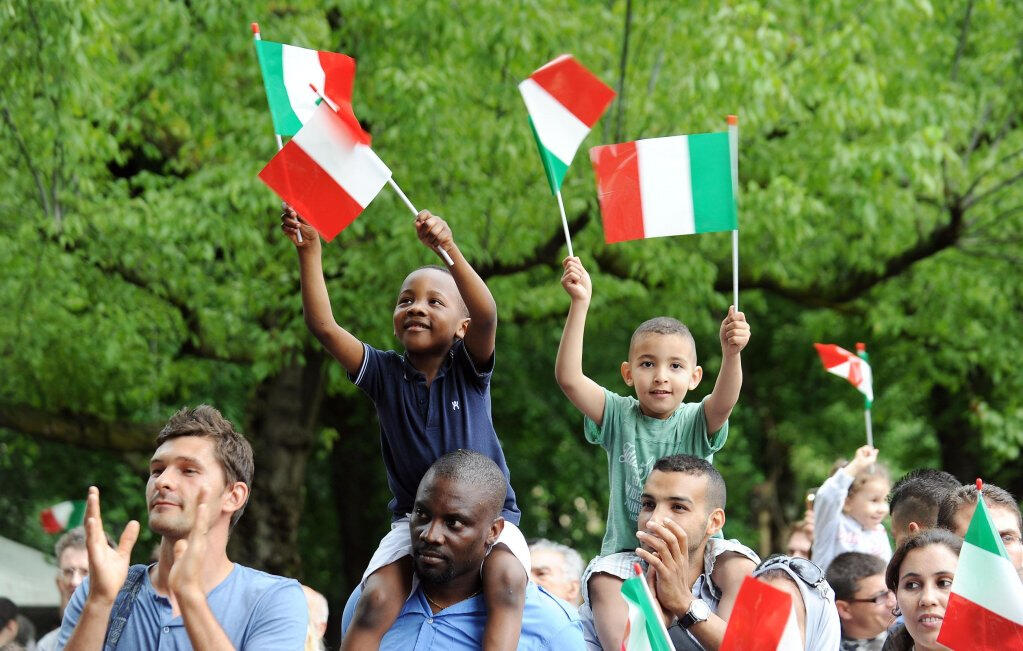
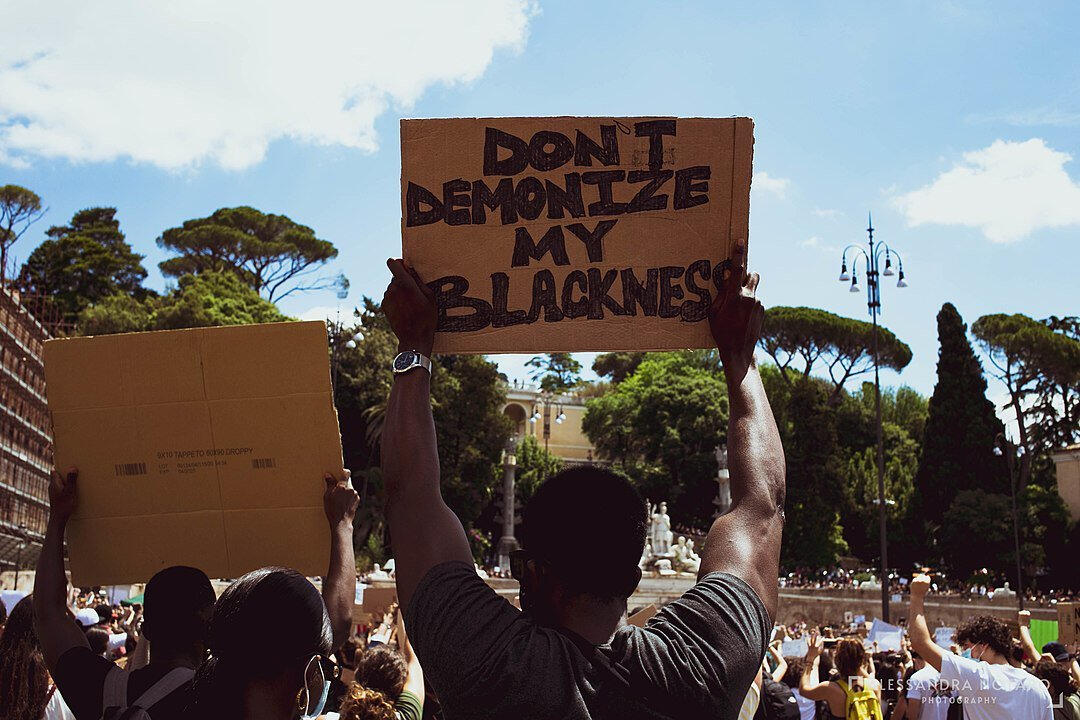
In this way, BLACKITALIAN weaves three interconnected yet distinct tales of the Black/Italian contact zone. Moving between the United States and Italy, this documentary explores the collision and synthesis of Black and Italian cultures through music, film, and foodways. This is a story about the ways artists combat social exclusion and inequality through forms of creative expression that challenge us to face and embrace our differences and understand our entwined histories.
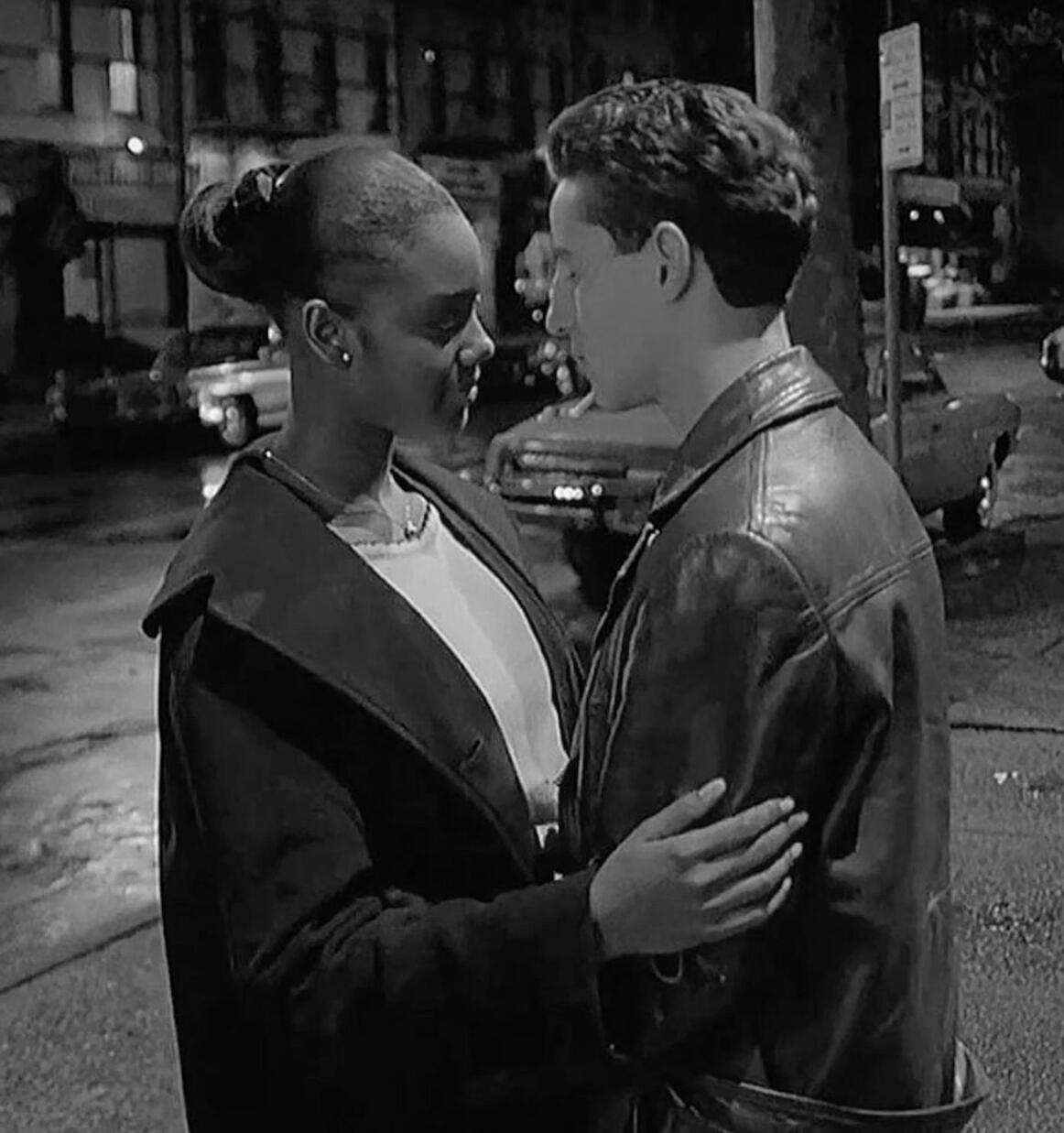
Taral Hicks and Lillo Brancato for A Bronx Tale

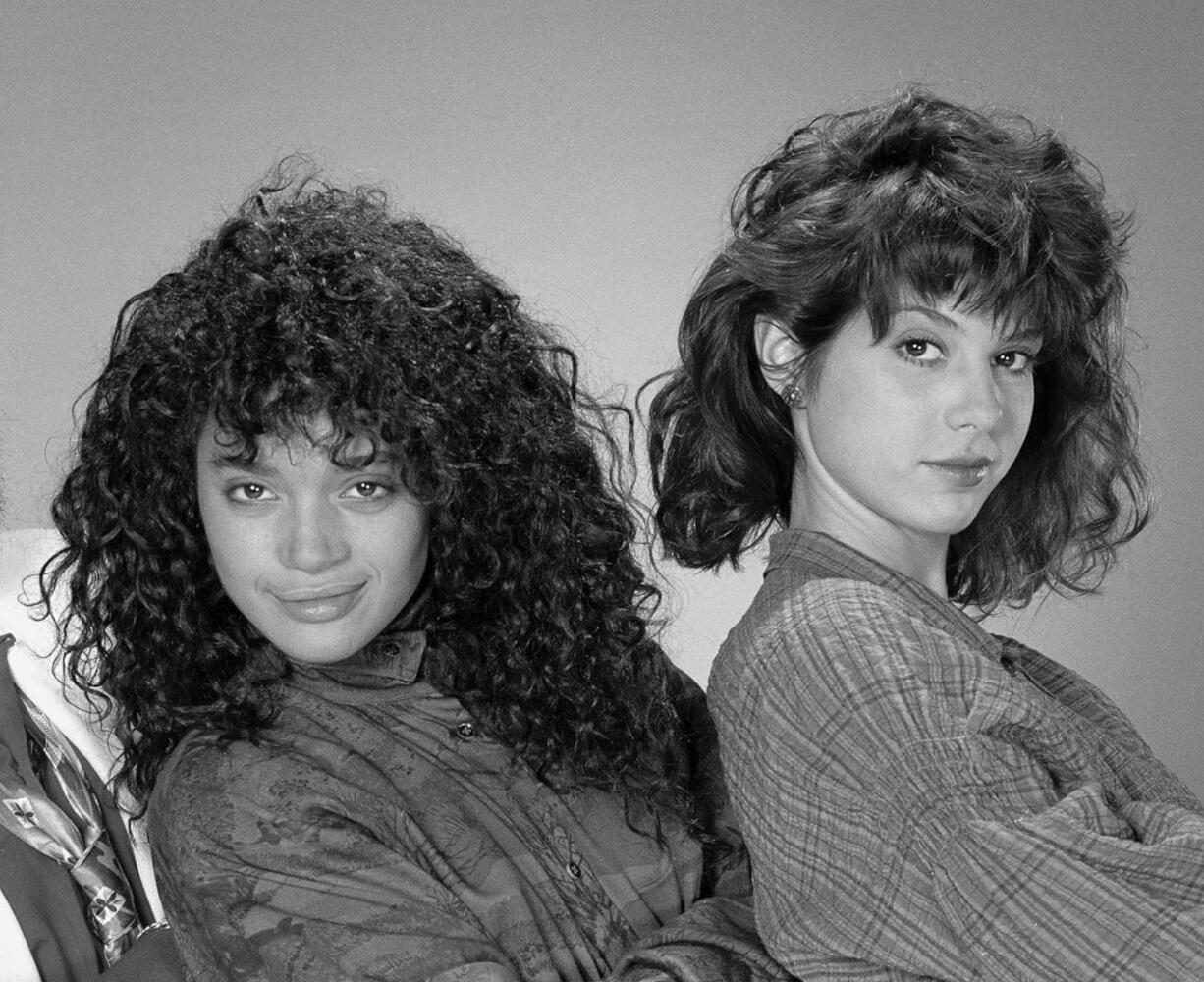
Lisa Bonet and Marisa Tomei for A Different World

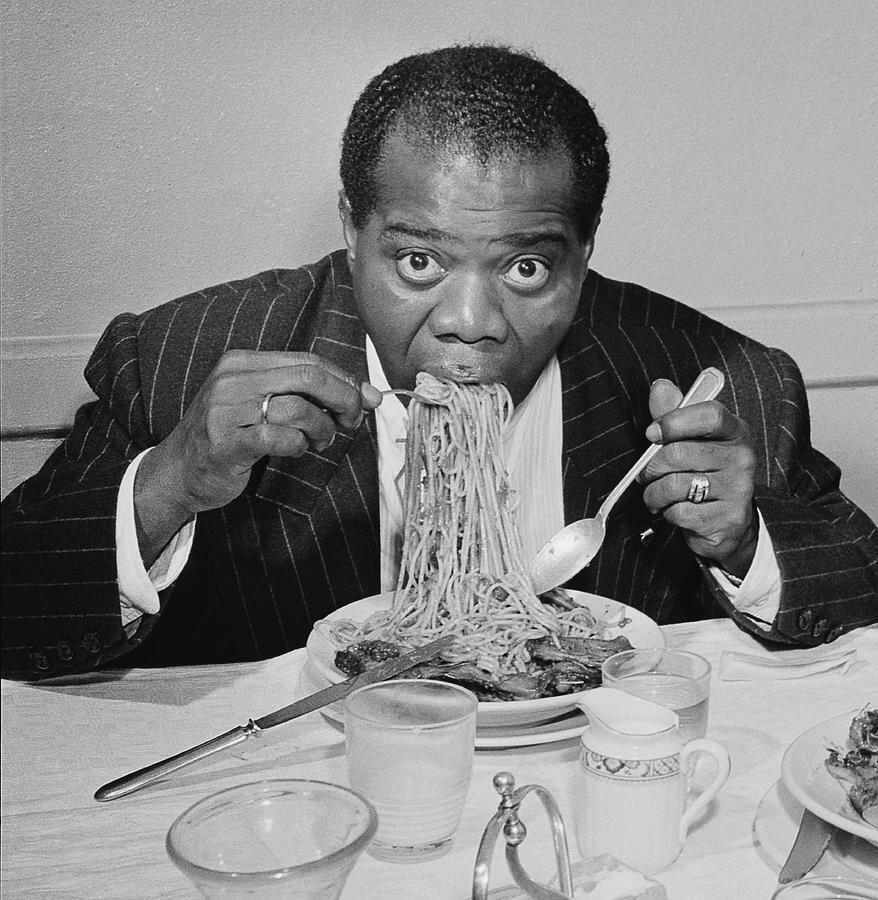
Louis Armstrong
THE BLACK-ITALIAN CONTACT ZONE
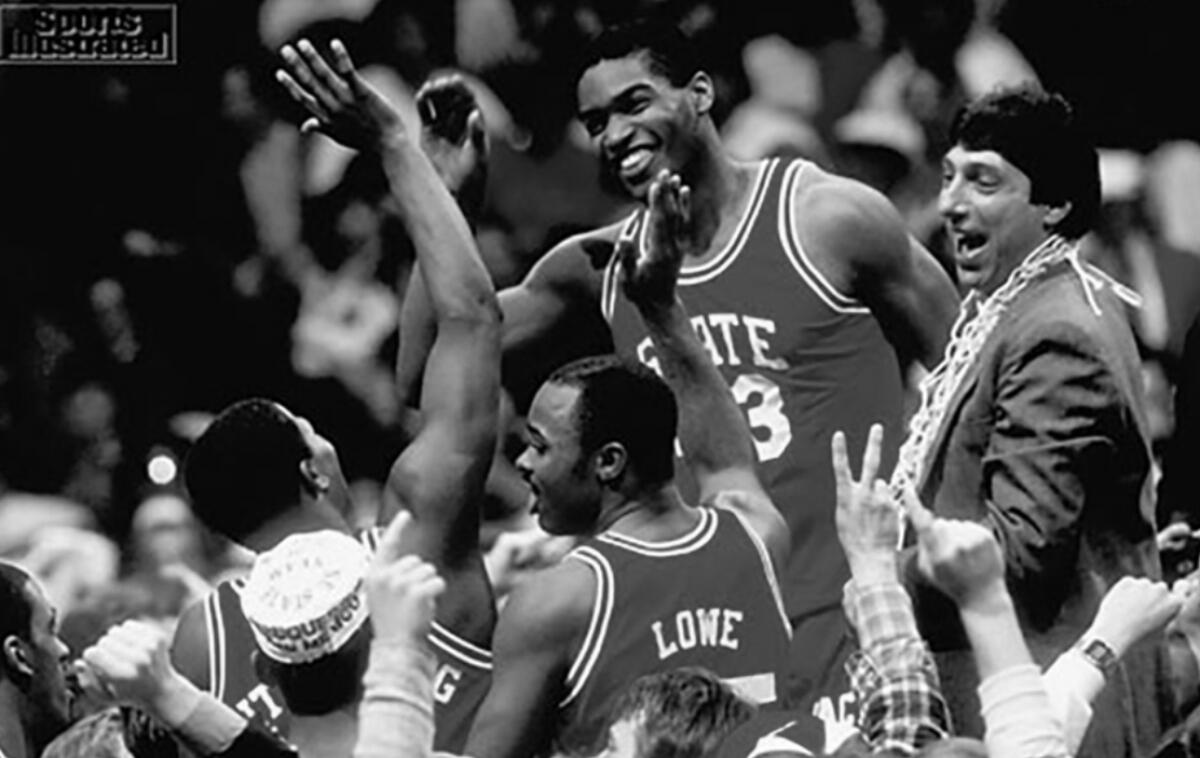
NC State "Wolfpack" basketball team celebrating their 1983 NCAA Championship win
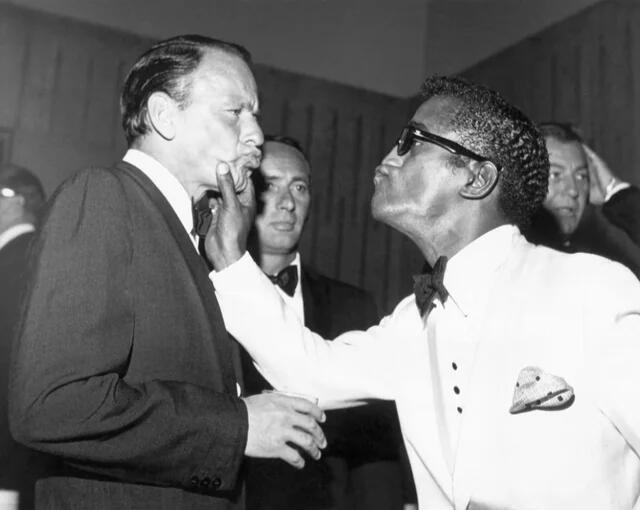
Sammy Davis Jr. and Frank Sinatra
“I was always amazed by the similarities between African-Americans and Italian-Americans, and that’s why we’ve come to blows so much – because we are so much alike.”
- Spike Lee, Filmmaker
LOCATIONS
Three stories. Three cities. Three story walks.
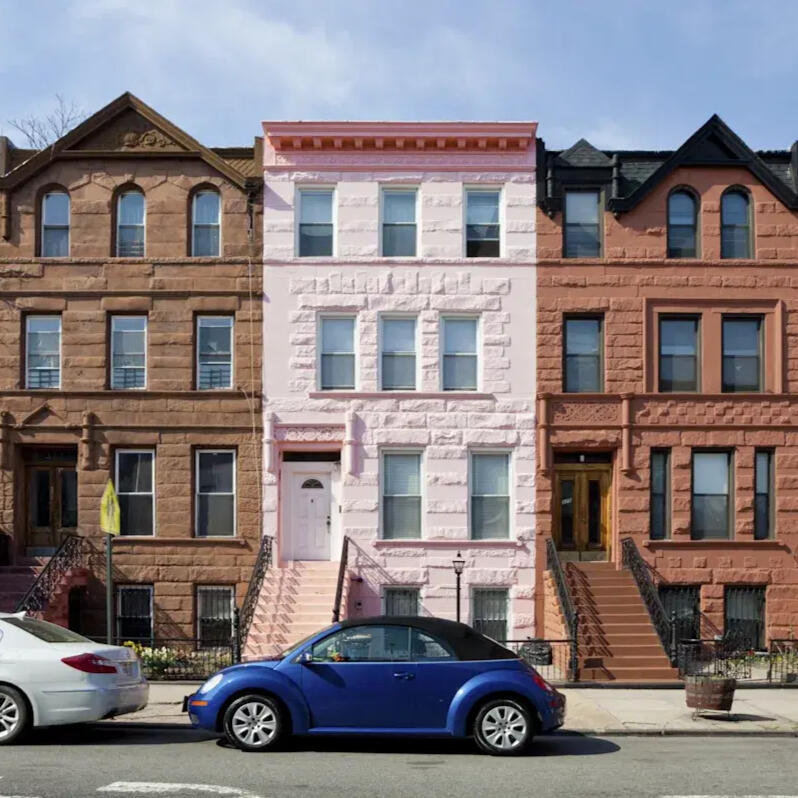
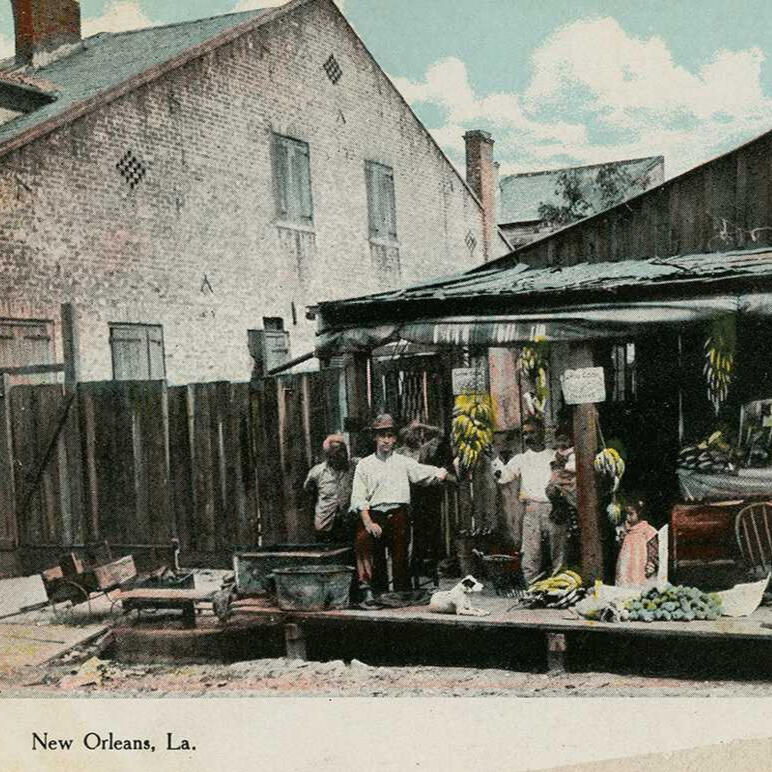
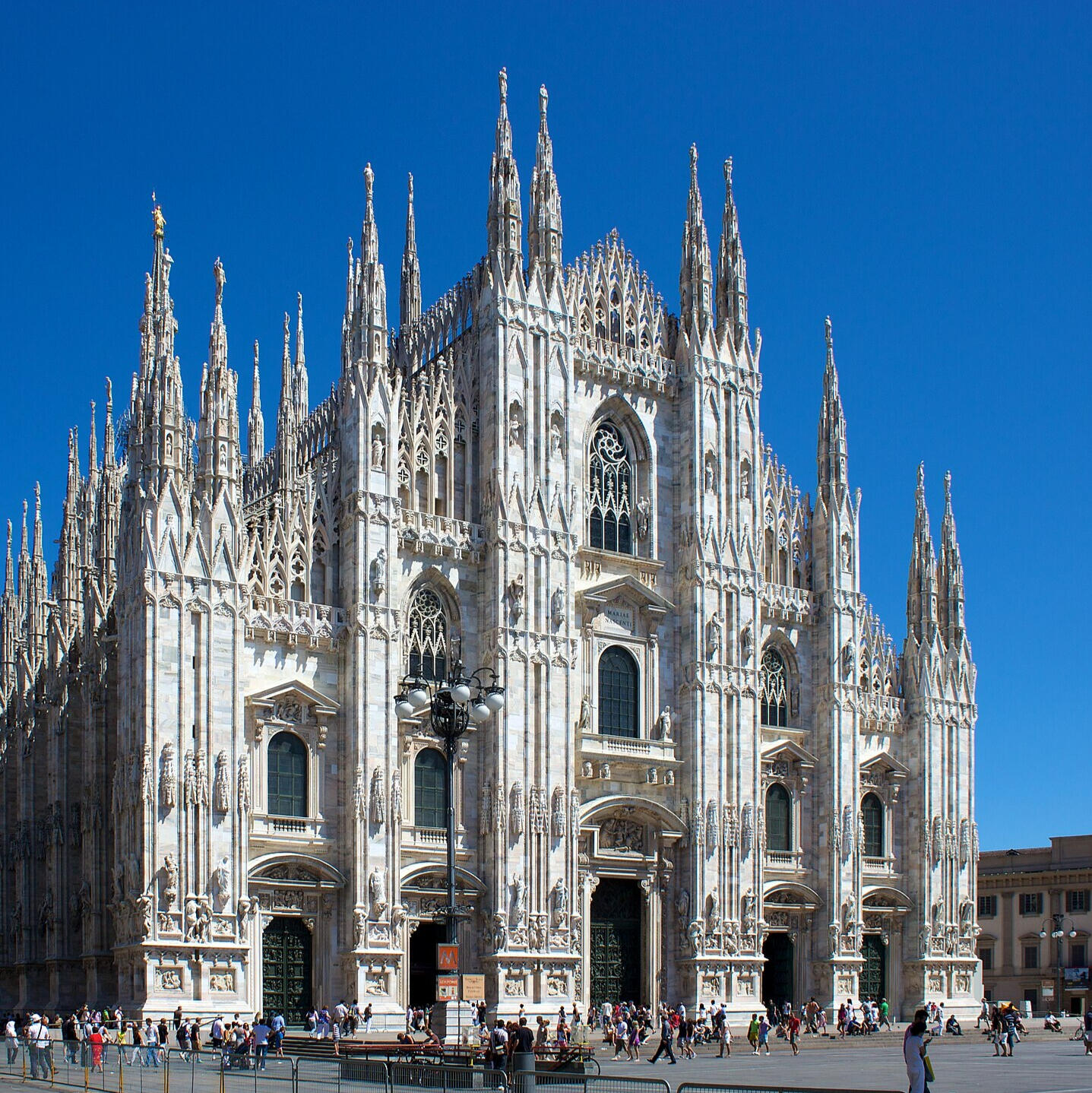
From the streets of New York defined by iconic films like Do The Right Thing and The Godfather, to the New Orlean’s social milieu where mob-backed Sicilian club owners fawned over legendary Black jazz and R&B artists but wouldn’t invite them over for dinner, to Italy where Black diasporic culture is intertwining with and influencing Italian pop culture, we weave three interconnected yet distinct tales of the Black-Italian contact zone.
CAST OF CHARACTERS
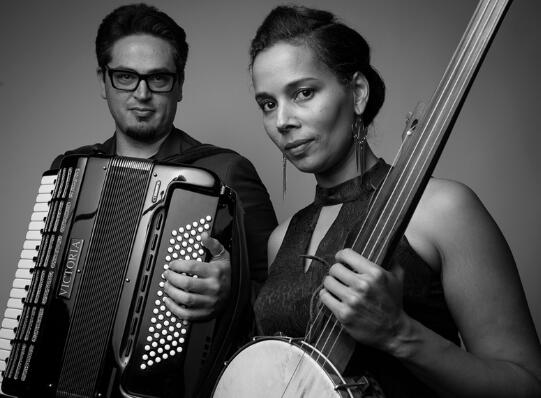
John Turturro
Spike Lee
Lena Prima
Tommy Kuti
Rhiannon Giddens
Francesco Turrisi
Bonz Malone
George De Stefano
Camilla Hawthorne
Joe Sciorra
Kym Ragusa
Danielle Morgan
Evelyn Ferraro
Denise Agustine
Bruce "Sunpie" Barnes
Matt Sakakeeny
Justin Nystrom
Charles Marsala
Amir Issa
Wissal Houbabi
Medhin Paolos
Angelica Pesarini
Rachel Graso
Carlo Ditta
MEET THE TEAM
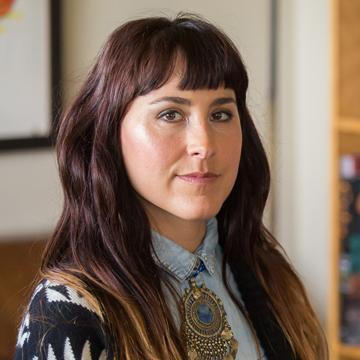
Christina Zanfagna
Christina is an Associate Professor of Ethnomusicology at Santa Clara University. A bicoastal Italian-American who grew up on hip hop and basketball, her research explores the intersections of Black popular music, race, and urban space. Her book, Holy Hip Hop in the City of Angels (2017), chronicles the everyday lives of former gangsta rappers turned gospel rappers in Los Angeles. She is also a flamenco dancer, regularly performing throughout the San Francisco Bay Area.
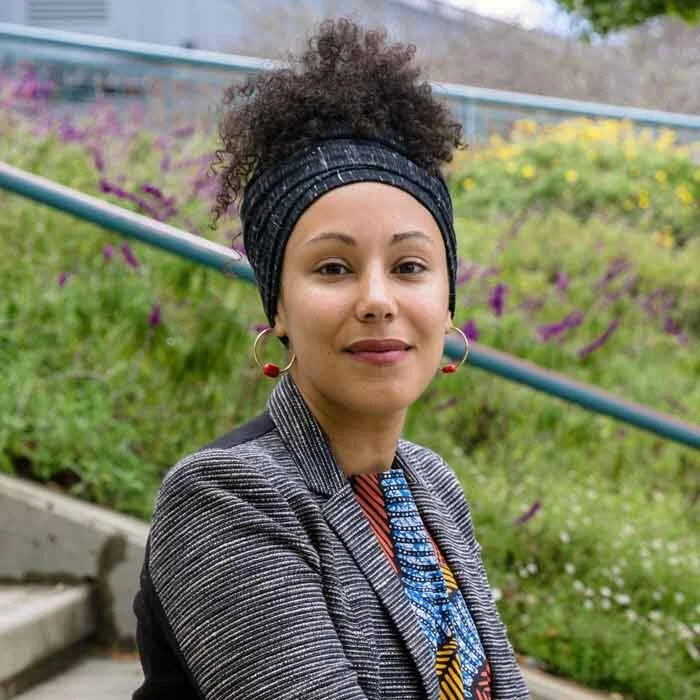
Camilla Hawthorne
Camilla is an Associate Professor of Sociology and Critical Race & Ethnic Studies at UC Santa Cruz. The bilingual, dual citizen daughter of an African American father and an Italian mother, Camilla has studied Black Italian political movements for over a decade. She is the author of Contesting Race and Citizenship: Youth Politics in the Black Mediterranean (Cornell University Press, 2022), and in 2020 she was named one of the Corriere della Sera (Italy’s largest national newspaper) Women of the Year for her research. She is also an accordionist and circus artist who performs across northern California.
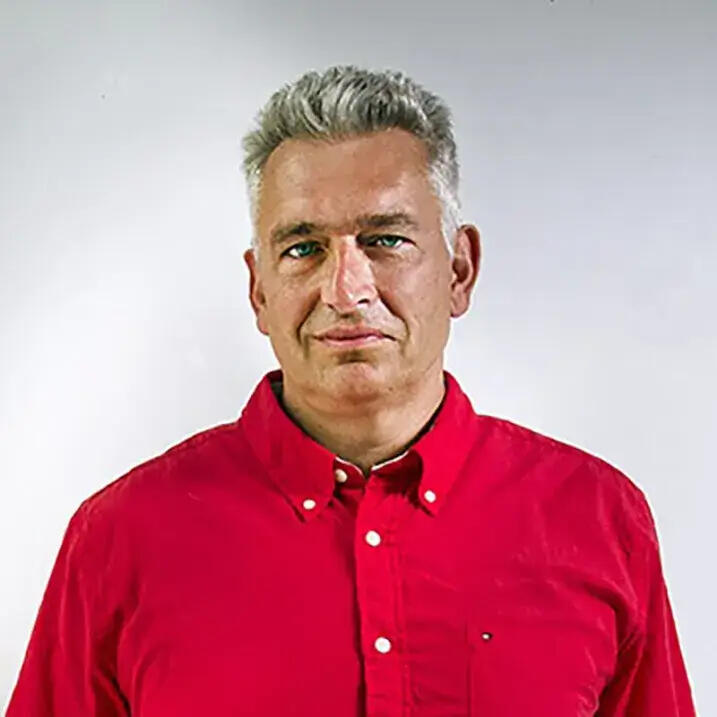
John Gennari
John is a Professor of English and Critical Race and Ethnic Studies at the University of Vermont. His most recent book, Flavor and Soul: Italian America at Its African American Edge (University of Chicago Press, 2017), is a study of Black/Italian cultural intersections in music and vernacular soundscapes, foodways, sports, and other forms of expressive culture. His earlier book, Blowin’ Hot and Cool: Jazz and Its Critics (University of Chicago Press, 2006), won the ASCAP-Deems Taylor Award for Excellence in Music Criticism and the John G. Cawelti Award for Best Book in American Culture Studies.
Michael Whalen
Michael has produced over 100 hours of documentary programming for television since 1994. His writing, producing and directing credits include such distinguished series as A&E’s “Biography,” “Ancient Mysteries,” and The Discovery Channel’s “Super Structures.” Additionally, he has created shows for Fox Television, MTV, NBC, and The Learning Channel (TLC). Mr. Whalen is also an award-winning independent documentary filmmaker, whose credits include, “Another First Step” (winner of the CINE Golden Eagle), “A Question of Habit” (PBS), “Gringos at the Gate” (ESPN), and his most recent release, “The Farmer & The Chef.”
NEW YORK
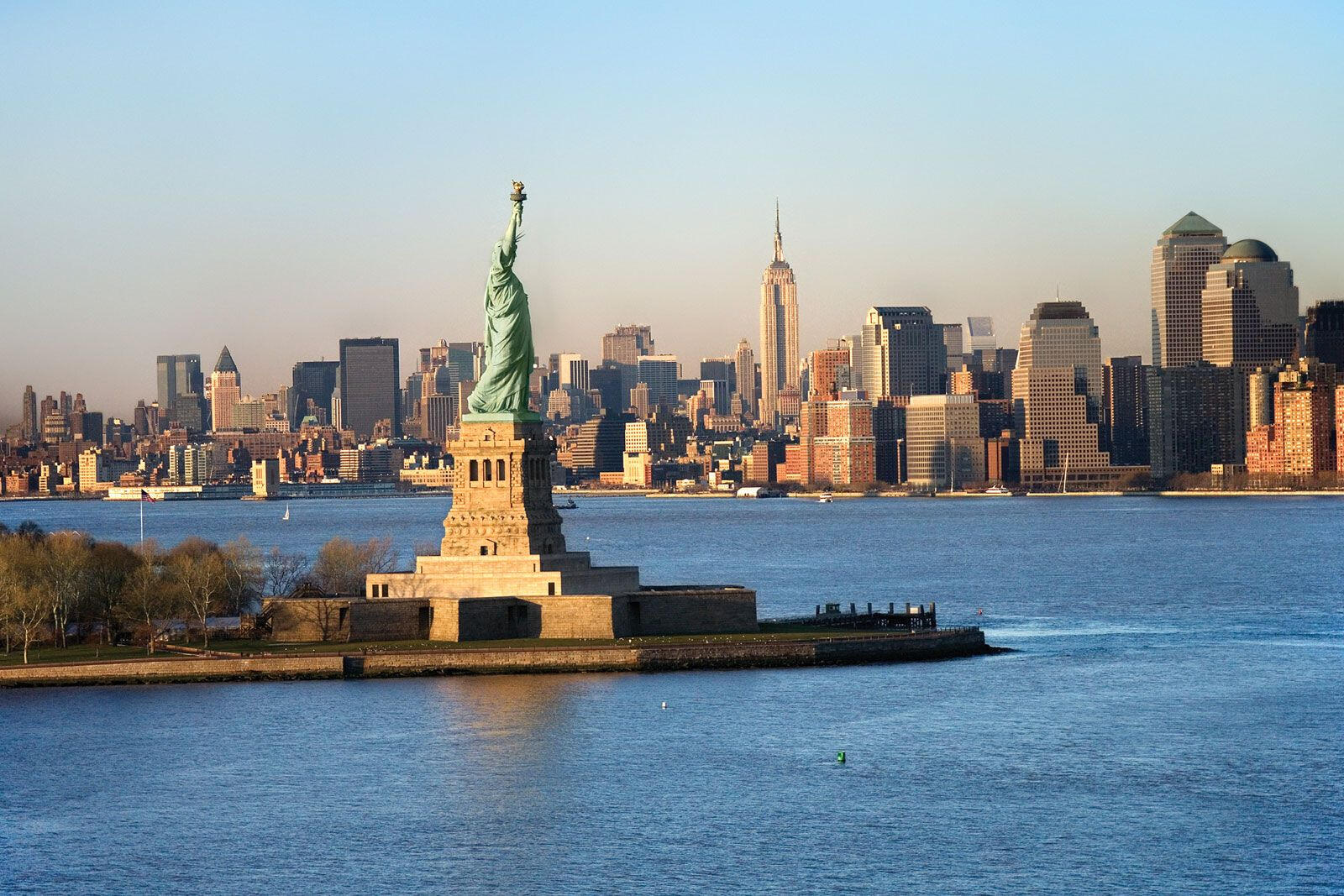
The story begins in New York where the edges and overlaps between the city’s Black and Italian communities have been spaces of both tribal territoriality and cultural intimacy, as well as iconically immortalized in films like Do The Right Thing, Jungle Fever, and A Bronx Tale. In Hollis, Queens, actor John Turturro takes us through his childhood neighborhood and home that have given rise to both Black-Italian conflict and community. Black-Italian writer Kym Ragusa leads us from East to West Harlem where she moved back and forth between the homes of her two grandmothers—one African American, one Italian American. We take a journey to Belmont in the Bronx with NY Times best-selling author and Black New Jerseyan Morgan Jerkins, who elucidates the importance of Italian food, music, and mafia films for Black audiences. Anchored by the Italian bakeries and restaurants of Arthur Avenue, this “Little Italy” was home to doo-wop acts such as Dion (DiMucci) and the Belmonts in the late 1950s and is the location of Chazz Palminteri and Robert DeNiro’s A Bronx Tale.
NY STORY WALK
_
OUR GUIDE:
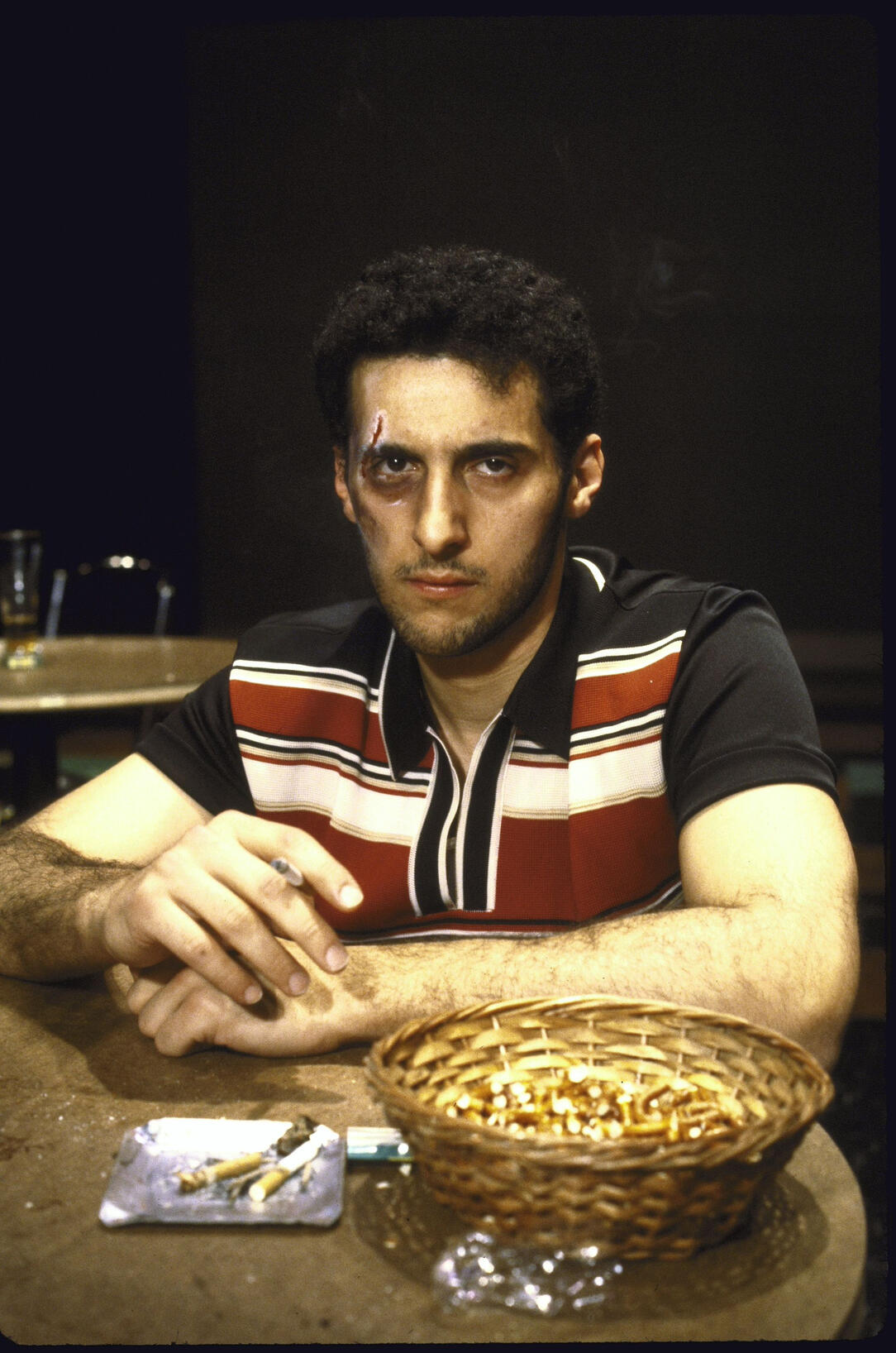
Emmy Award-winning actor John Turturro
_
Turturro has both lived in and worked in the New York neighborhoods that have given rise to both Black-Italian conflict and community. He was born in Brooklyn, New York, to Italian-American parents, Katherine (Incerella), a jazz singer, and Nicholas Turturro, a construction worker and carpenter, born in Giovinazzo, subject of John’s 1992 feature film Mac. He has become a regular in Spike Lee’s films, including the role of “Pino” – the son of pizzeria owner Sal – in Do The Right Thing, and the confused boyfriend in a Black-Italian romance in Jungle Fever.
FROM DOO-WOP to HIP-WOP

The Rascals

The Crests

MC Siciliano
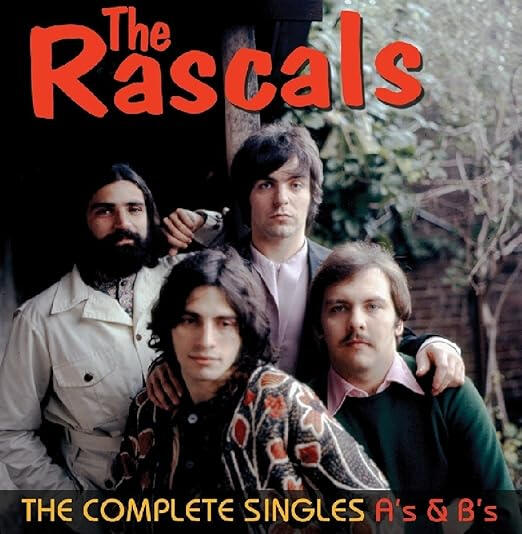
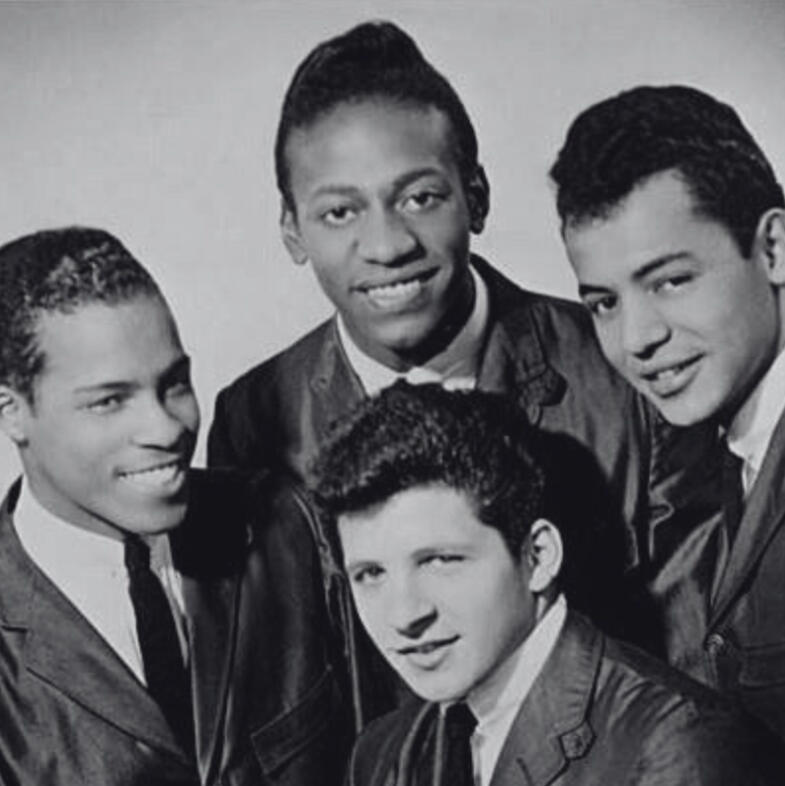
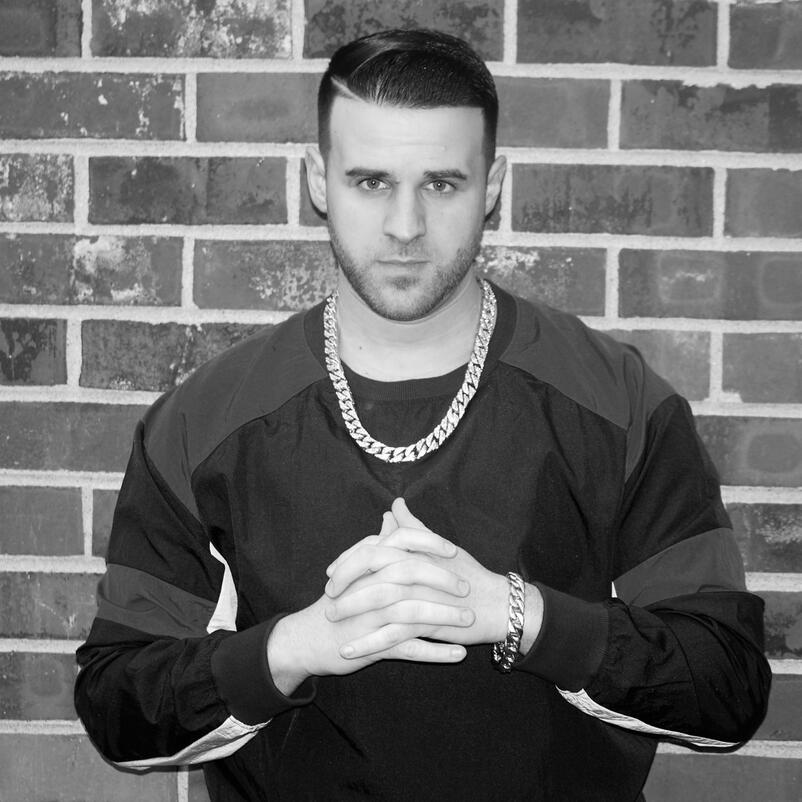
“To sound that Black, they had to be Italian.” - Steven Van Zandt on The Rascals

CROONERS TO GANGSTAS
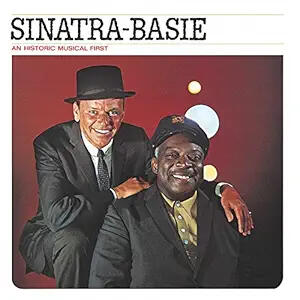
Sinatra-Basie

Blue Eyes Meets Bed-Stuy
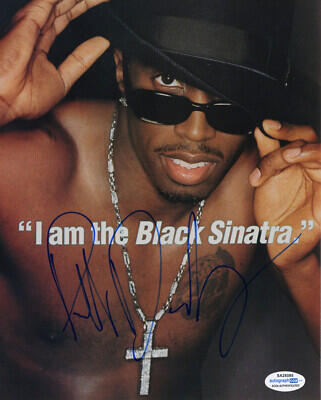
Puff Daddy
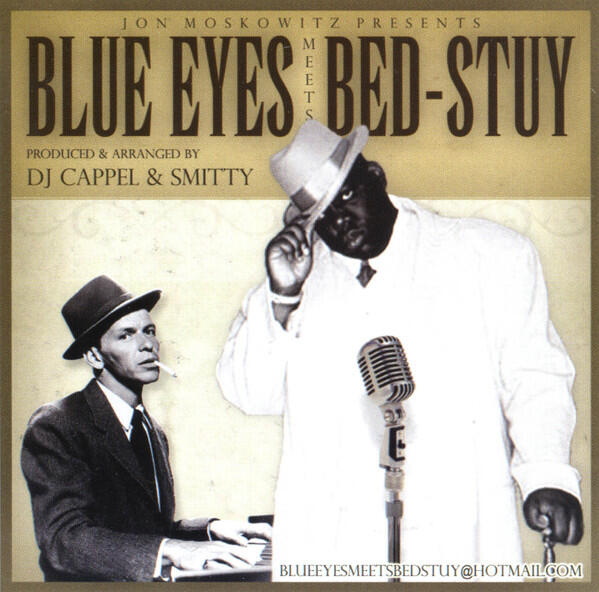
“My dream was to become Frank Sinatra.” - Marvin Gaye, Singer/Songwriter
“I am the Black Sinatra.” Puff Daddy, Rapper
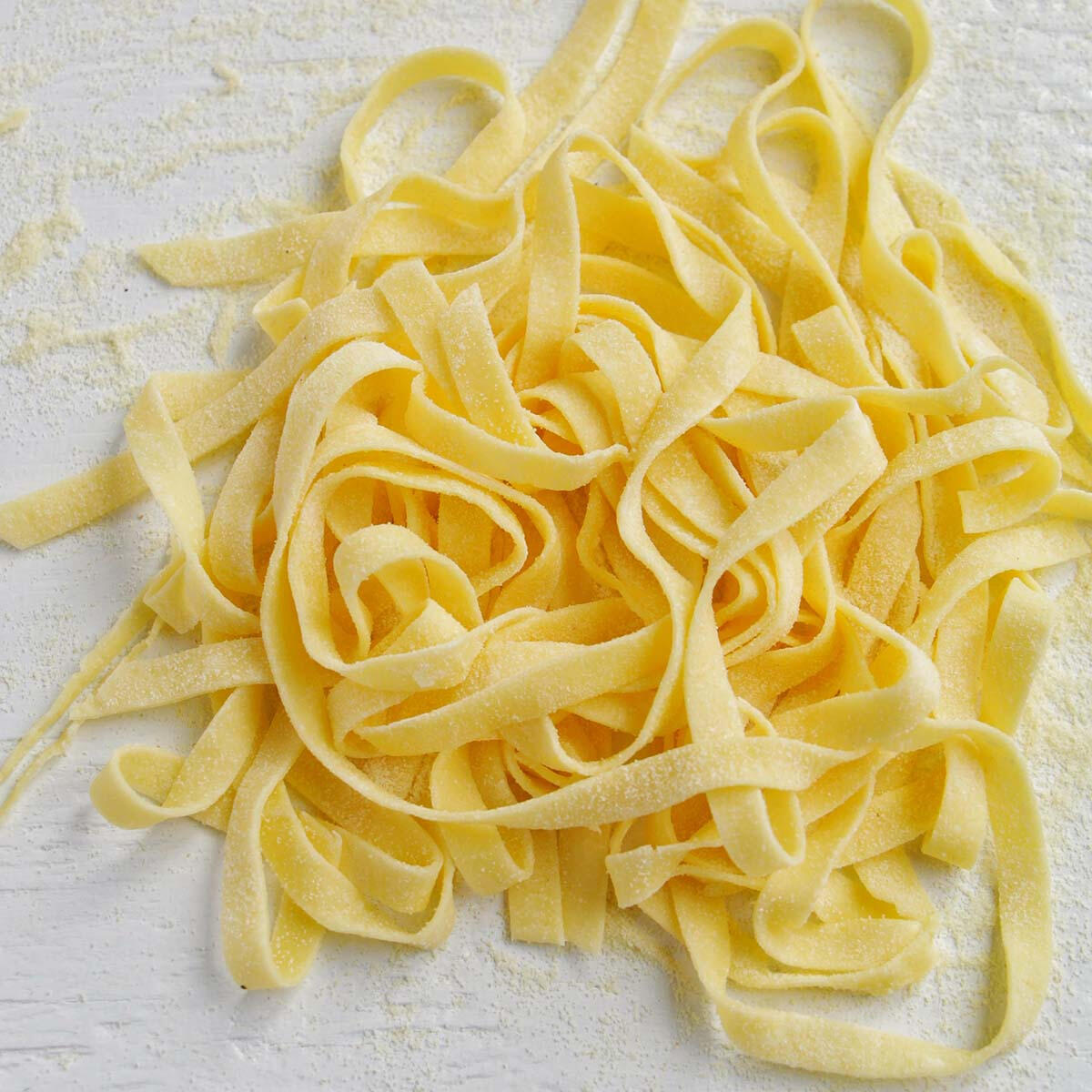
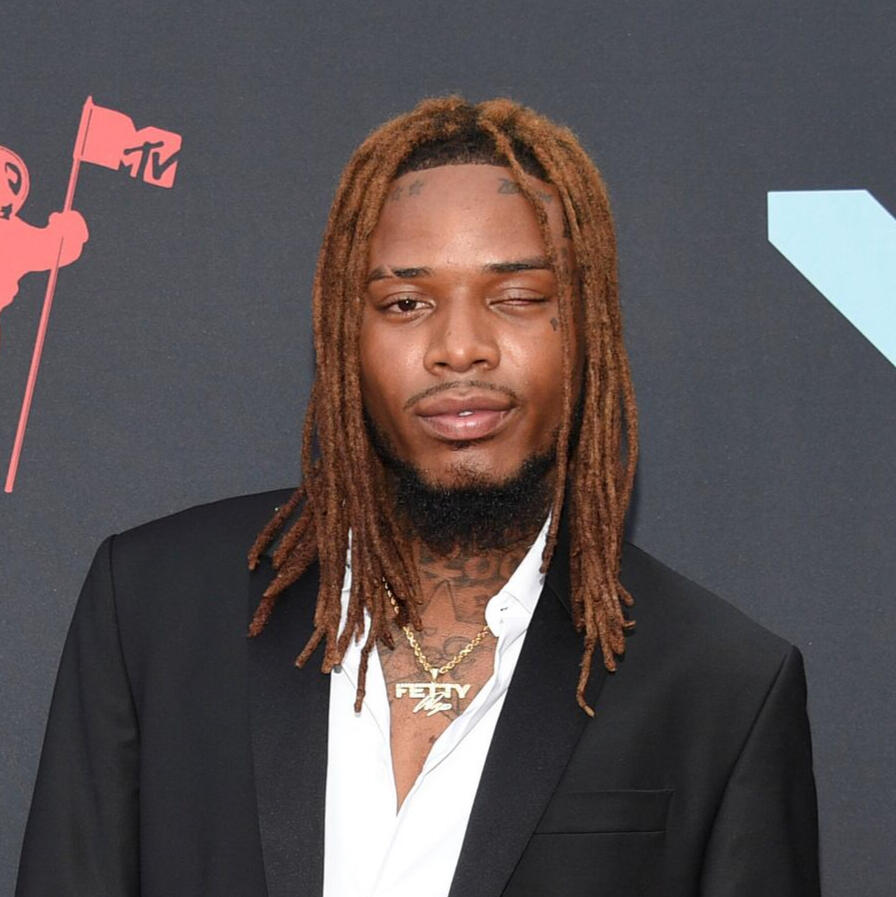
FETTUCCINE TO FETTY
_
"It's like an old saying they used to use. Like ‘fettuccine.’ They would say, ‘I need the fettuccine.’ Like, ‘I need some money’…Right now, I’m just trying to do the Fetty thing, get Fetty right."- Fetty Wap, Rapper
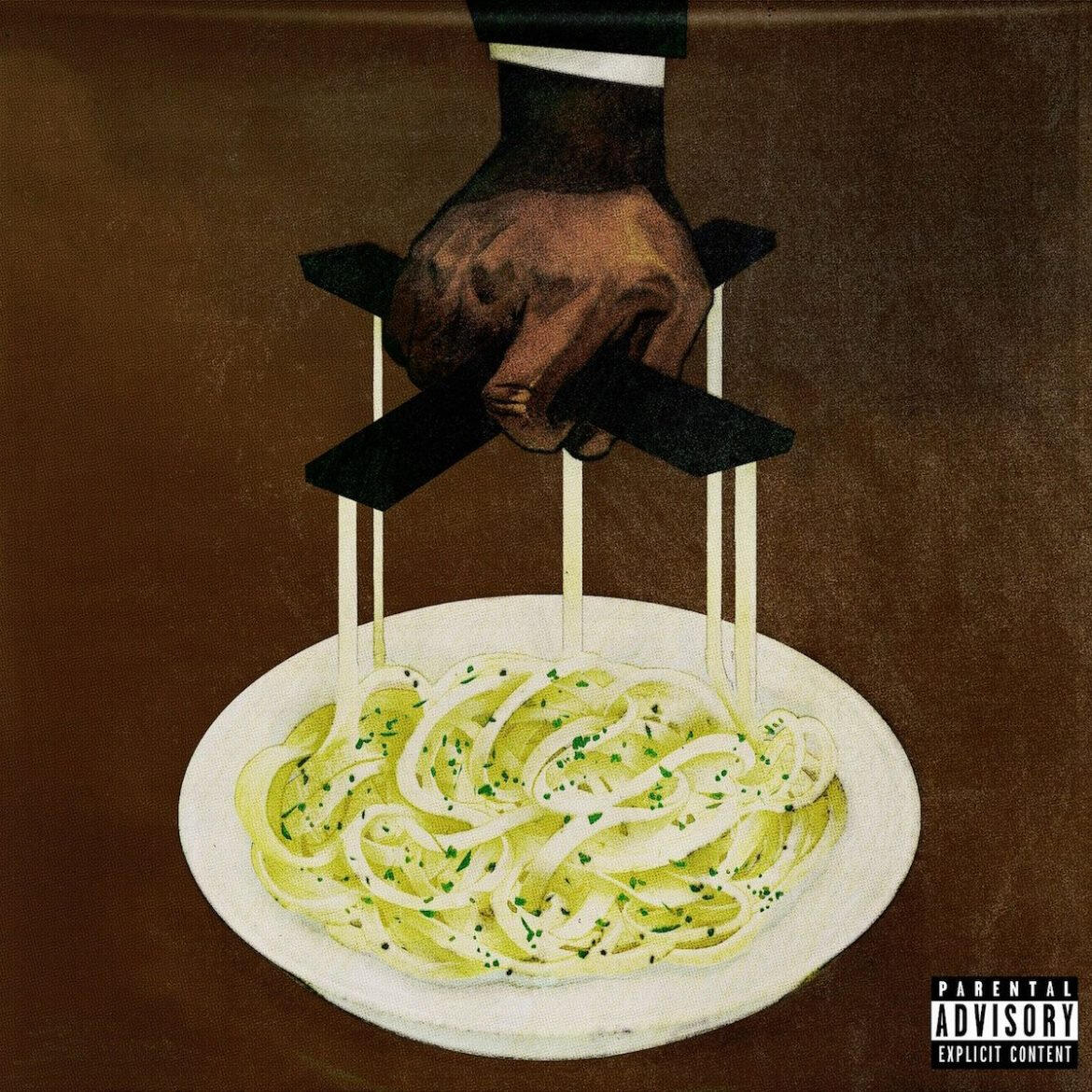
FOOD AS POWER
_
_
The money turned me into a monster
The money turned my noodles into pasta
The money turned my tuna into lobster
They want to do me, I maneuver like a mobster- Meek Mill, Rapper
_
Yeah, livin' the raw deal
Three course meals
Spaghetti, fettucini and veal- Puff Daddy, Rapper
CONTESTED SPACE

NEW ORLEANS
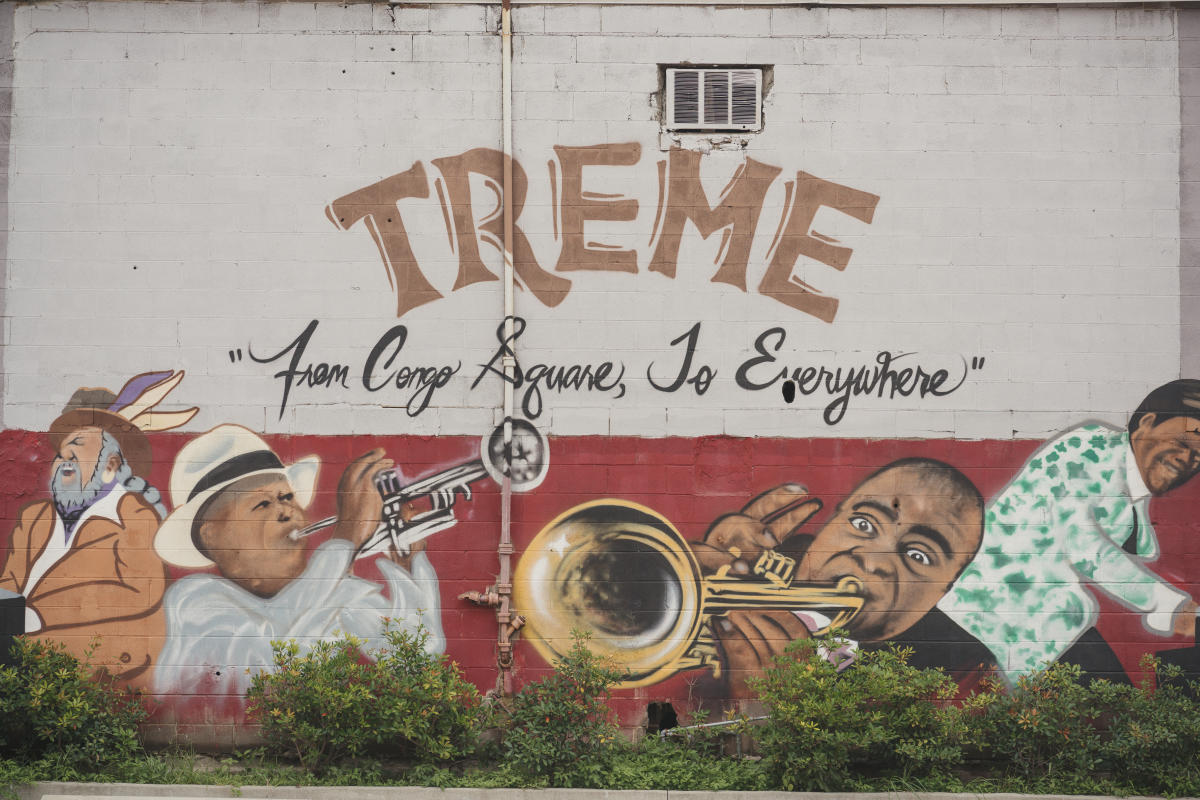
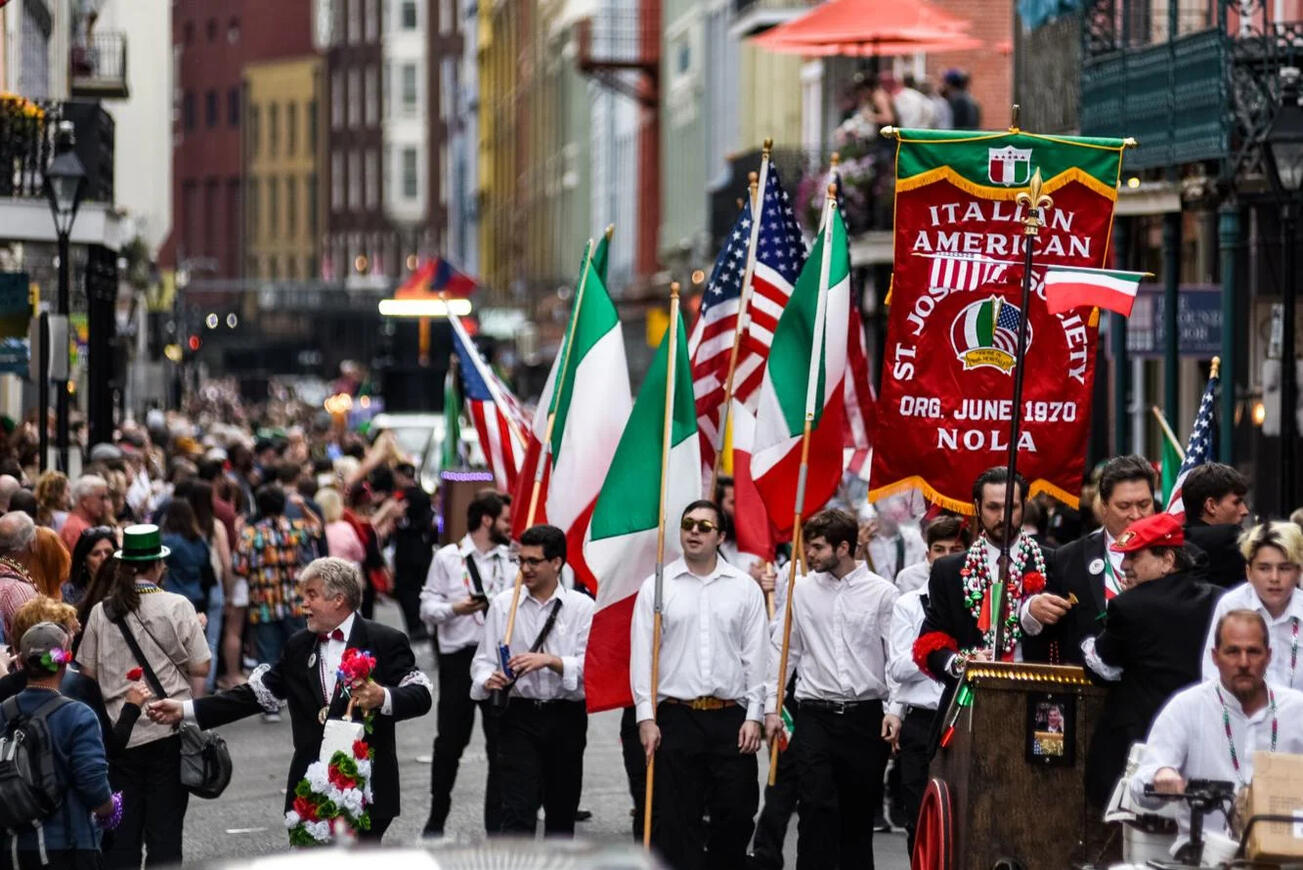
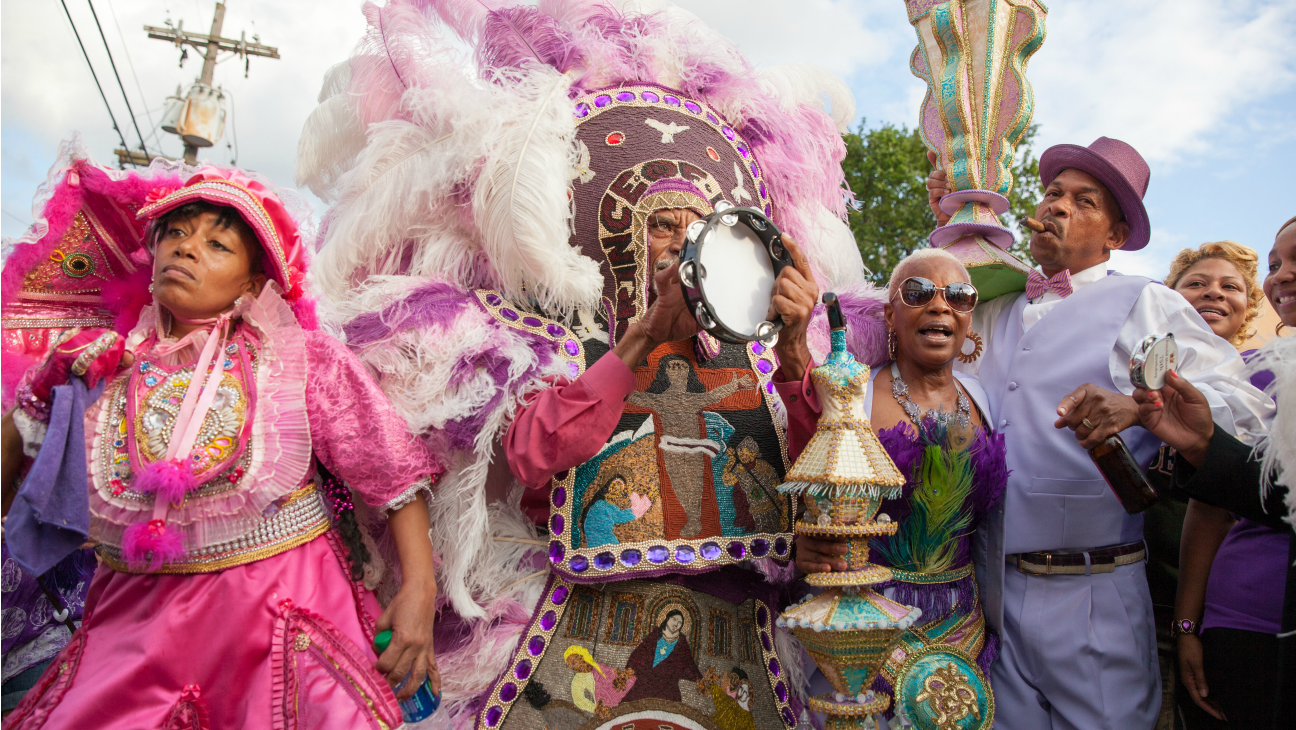
Stepping deeper into the historical relationships between Black and Italian Americans, we will then move to New Orleans, where residential proximity in the same poor and working-class neighborhoods as well as intertwined histories of ethnic and racial discrimination facilitated both Black-Italian tensions as well as a fusion of culture. After the Civil War, thousands of Sicilians immigrants replaced emancipated African Americans on plantations in the Gulf Coast South (and in 1891, eleven Italians were lynched in New Orleans – one of the largest mass lynchings in American history.) We start with a sonic and gastronomic tour of “Little Palermo” in New Orleans’s French Quarter, a once vibrant neighborhood known for its Italian markets, restaurants, and street vendors. Afro-Creole storyteller Denise Augustine guides us through the streets of Tremé’s historic Black and Italian cultural weave. We will accompany singer and bandleader Lena Prima through the streets of New Orleans on St. Joseph's Day in honor of her father Louis Prima–an Italian American hot jazz legend and New Orleans native. New Orleans local music historian Matt Sakakeeny guides us through Cosimo Matassa's J&M Studios, which served as a forum where Blacks and whites collaborated in making music, socializing, and conducting business together in the 1950s/60s – a moment of acute racial segregation in the American South.
NOLA STORY WALK
_
_
OUR GUIDE:
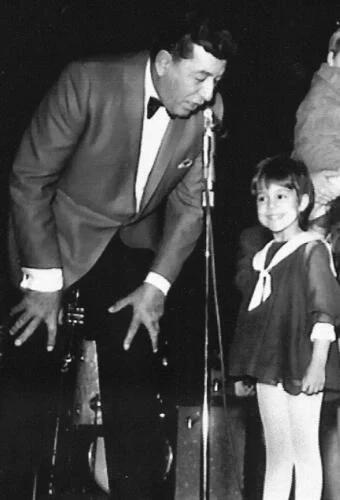
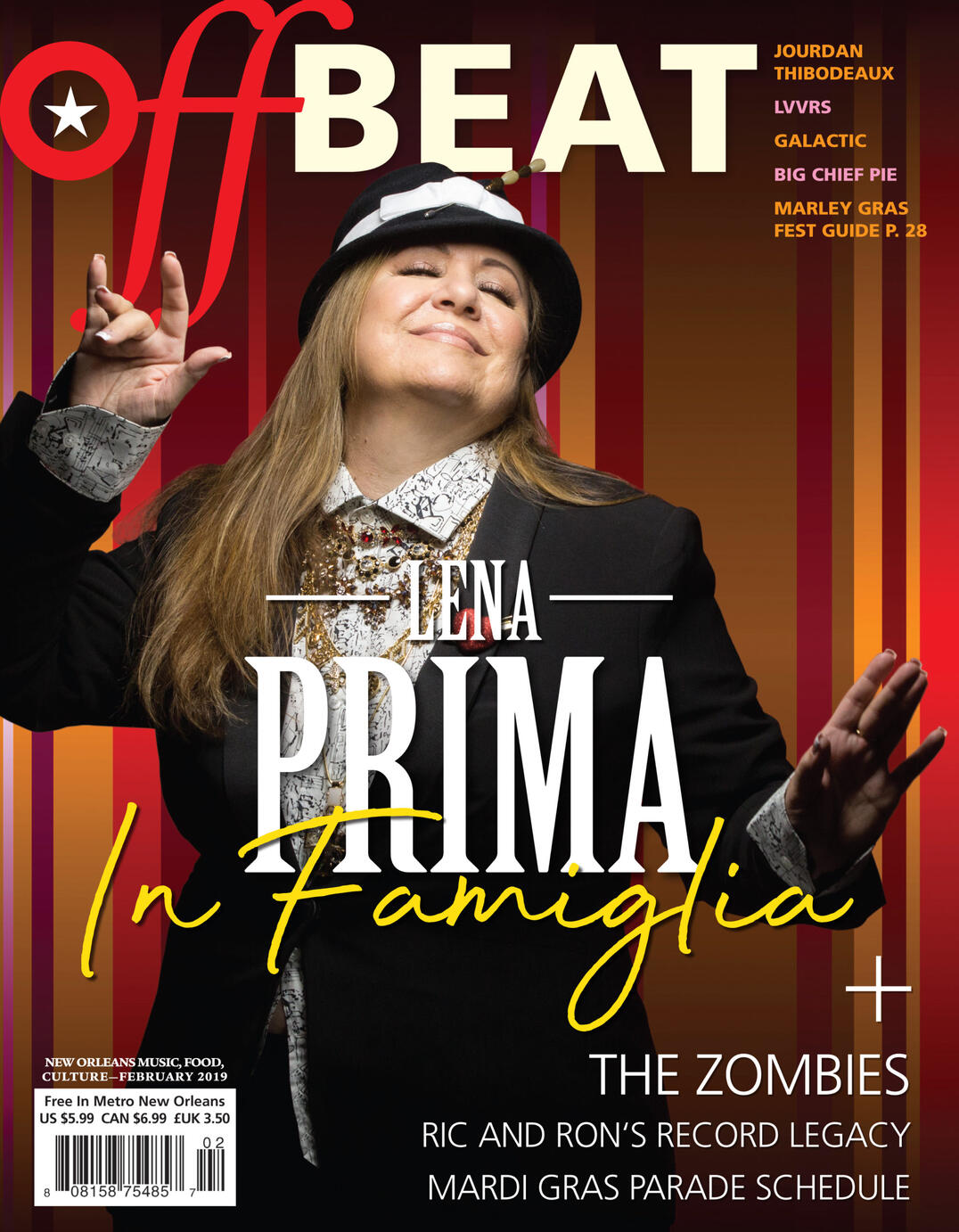
Lena Prima
Lena Prima is the youngest daughter of music icon and New Orleans native and hot jazz legend, Louis Prima and his singing sidekick (and fifth wife), Gia Maione. Born in Las Vegas, Lena spent much of her childhood in her father’s hometown of New Orleans, where she currently resides and has performed regularly for over a decade.
MUSIC IN THE STREETS

49th annual St. Joseph's Day Parade

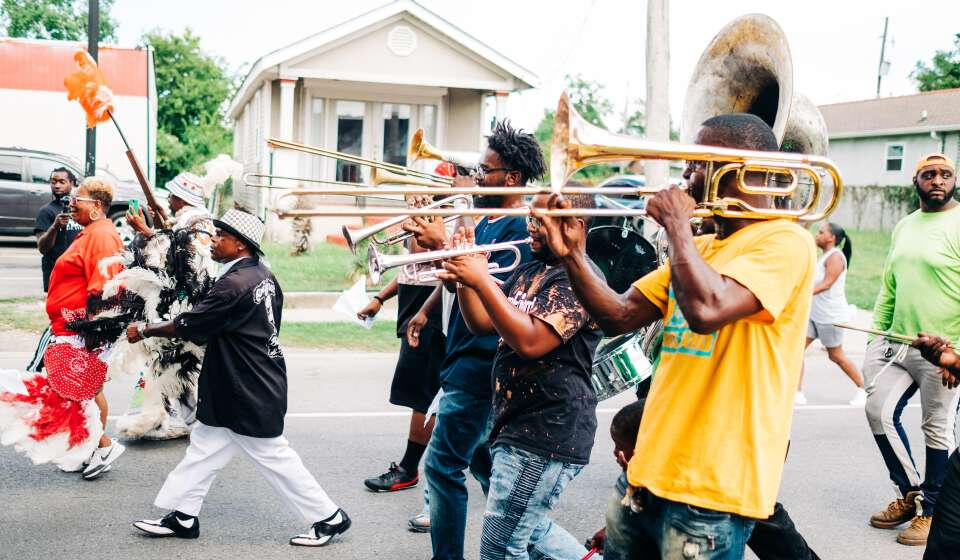
Hurricane Katrina second line parade

New Orleans Second Line parade
_
MILAN
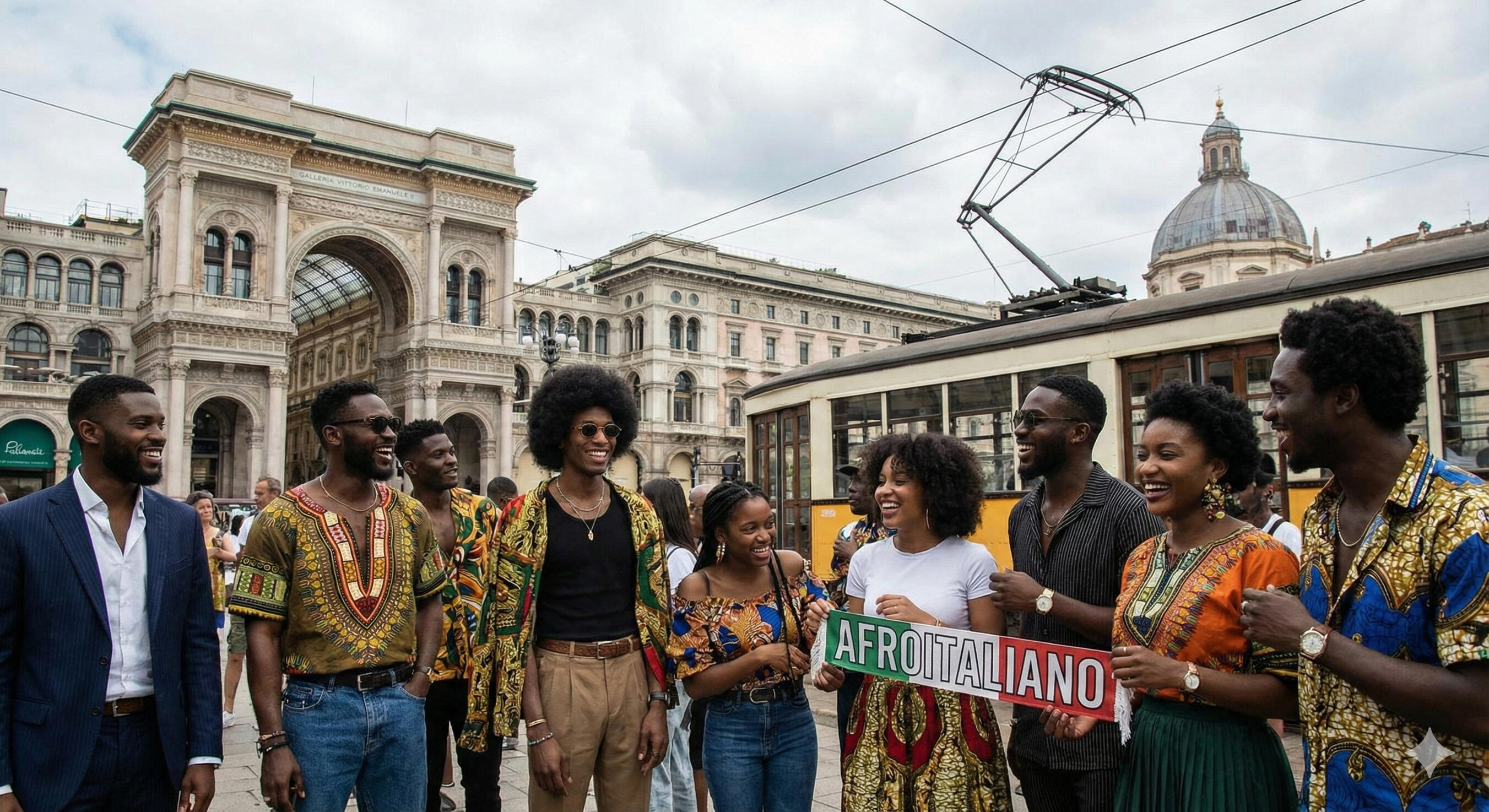
If our story began with the question of how Italians became white, it ends with a different one: How are Afro-Italians today reshaping Italian culture? To answer this question, we travel back to Italy, which since the 1970s has become an important destination for African migrants (many from Italy’s former colonies). Despite this growing Black presence in Italy, however, Italian nationality law makes it exceedingly difficult for African immigrants and their Italian-born children to be recognized as Italian citizens. The prominent Afro-Italian rapper Tommy Kuti, born in Italy to Nigerian parents, will take us on a train ride from his hometown of Brescia to the cosmopolitan metropolis of Milan, where he now lives and creates his music, guiding us through the Afro-Italian cultural spaces that have shaped his music. Milan, where one in five residents is an immigrant, is home to vibrant, multigenerational Black communities who are today redefining the meaning of “Italianness” through fashion, food, music, art, entrepreneurship, and political activism.
MILAN-BRESCIA STORY WALK
OUR GUIDE:
Tommy Kuti

“I’m too African to be just Italian
and too Italian to be just African
Afro-Italian, because the world has changed.”
_
_
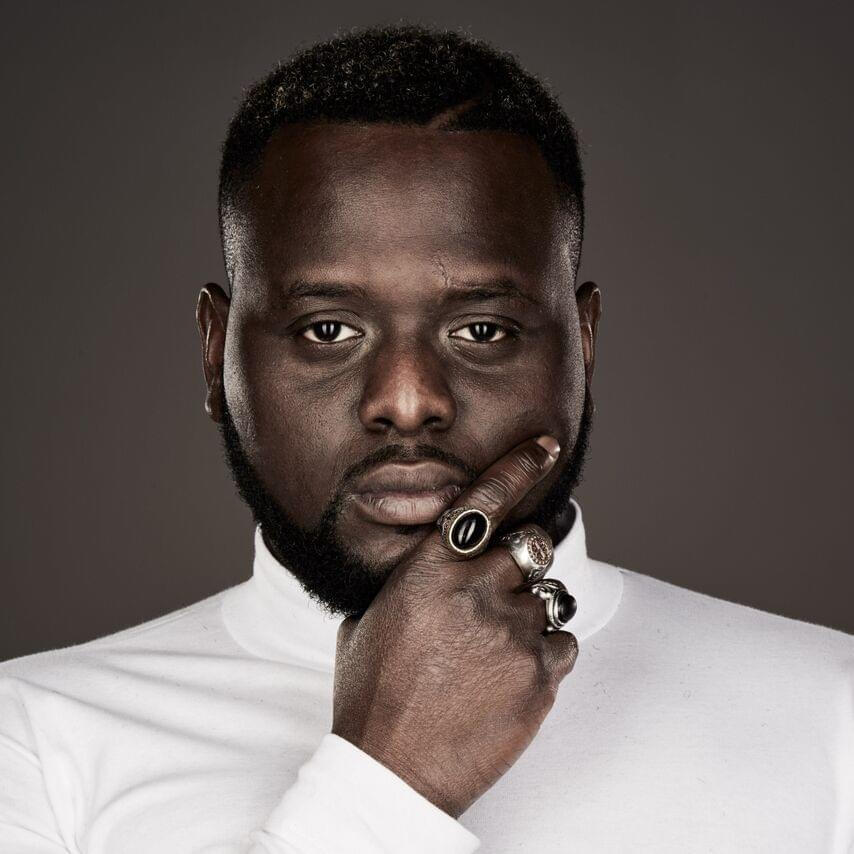
Tommy Kuti, a Nigerian-Italian rapper from Brescia, was the one of the first Black Italian rappers to be signed to a major record label. The music video for his single, “Afro-Italiano” features a cameo from white Italian rapper Fabri Fibra.
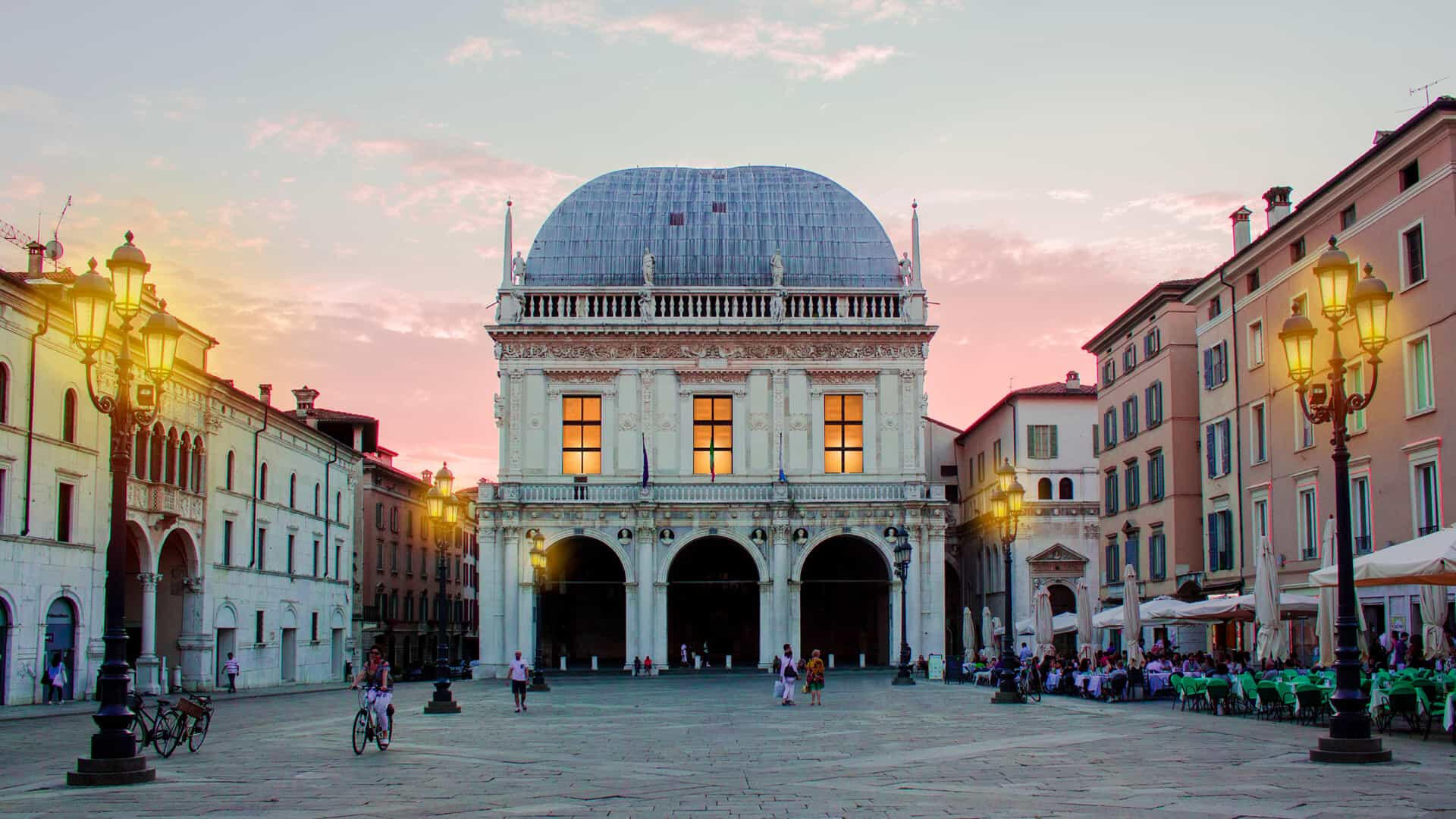
COMUNE DI BRESCIA
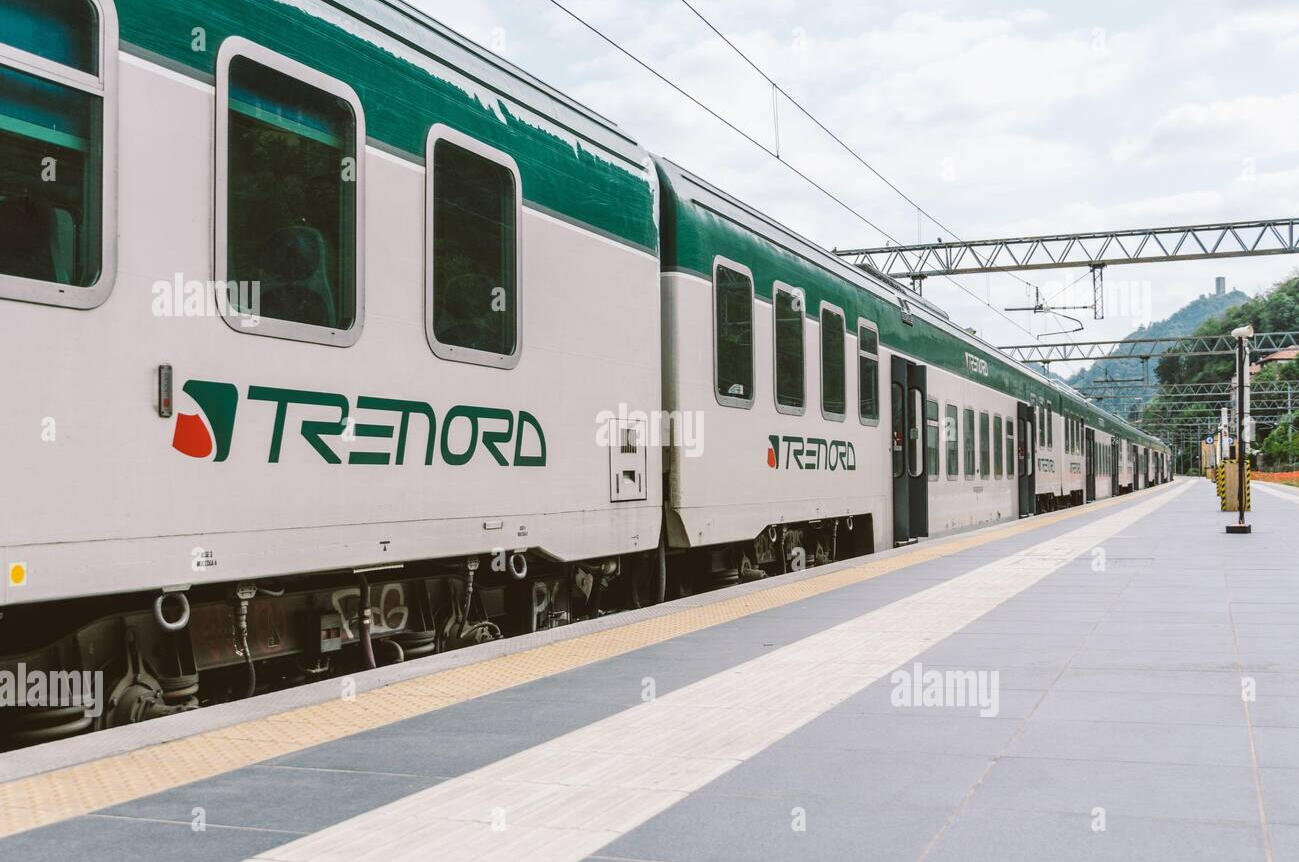
Kuti will take us on a journey from his hometown of Brescia to Milan where he now lives and creates his music, leading us through the different Afro-Italian cultural spaces that have shaped his art.
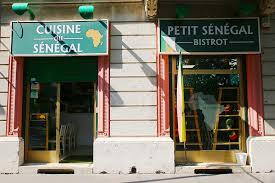
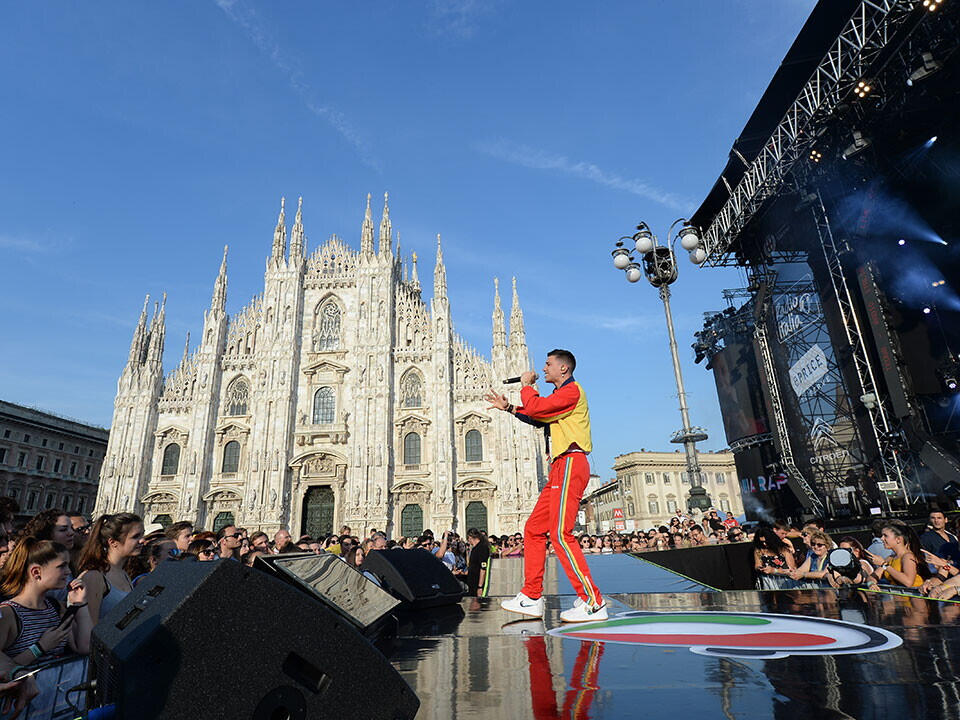
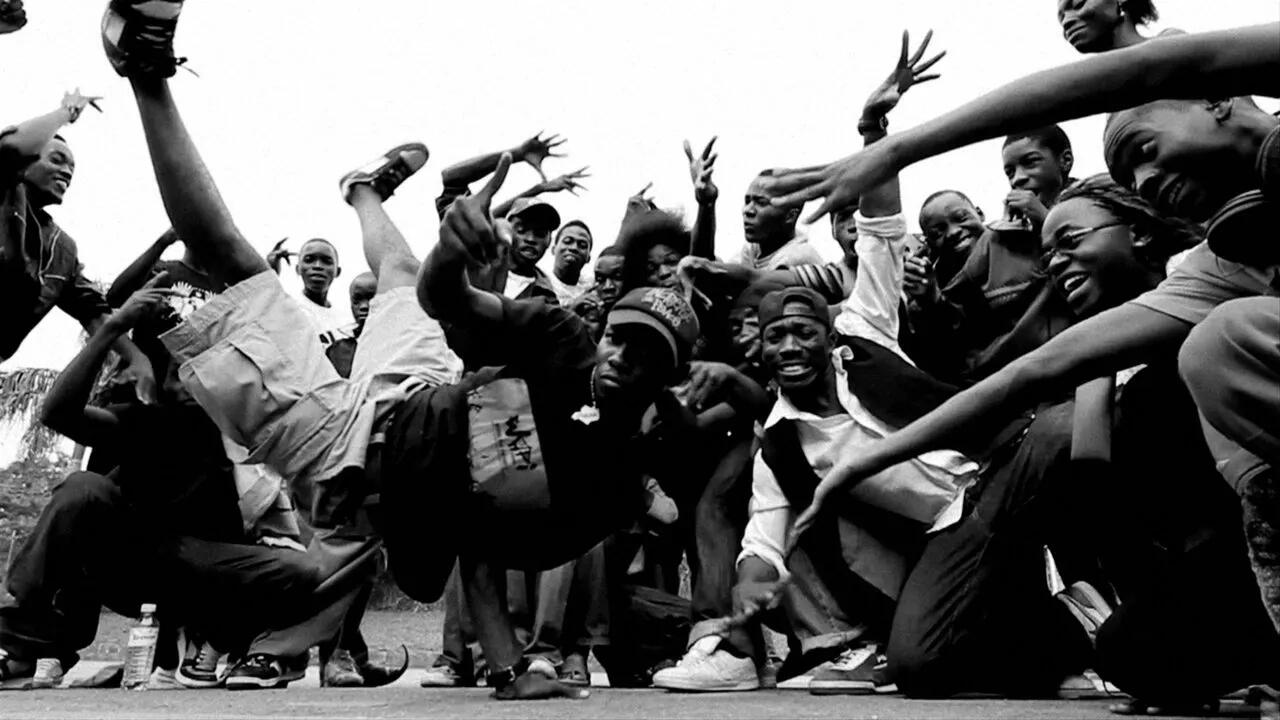
Even though they are not always legally recognized as citizens, Black Italians are claiming belonging in Italy through music and food. In the process, they are transforming what it means to be “Italian” today.